
Us Woodland Camouflage Pattern
Us Woodland Camouflage Pattern - Each purchase of this bear wearing a woodland camo uniform and cover helps support children who have lost a parent in the line of duty. One of the most prolific users of woodland camouflage in the 1990s was bosnia and herzegovina. The woodland is now being replaced in the us military by different patterns in each branch. Web woodland camo was an early u.s. Adopted in 1981, it was seen in several conflicts, and long after it was formally replaced. Web the successor to the iconic olive drab uniform was the woodland camo pattern that was introduced into the armed forces in 1981. Web leaf patterns are characterised by having narrow, irregular, branchlike shapes in two or more colors over a solid background, as opposed to the later woodland camouflage patterns which tend to have thicker overlapping shapes and larger areas of. Web us woodland is probably the first pattern that pops into your head when you think of camo as it’s easily the most duplicated and modified pattern ever invented. “m81 woodland”) was by far the most commonly used camouflage pattern used by us military personnel and had been since the cold war. Camouflage has certainly not always been associated with the word uniform. Camouflage has certainly not always been associated with the word uniform. One of the most prolific users of woodland camouflage in the 1990s was bosnia and herzegovina. Web the successor to the iconic olive drab uniform was the woodland camo pattern that was introduced into the armed forces in 1981. “m81 woodland”) was by far the most commonly used camouflage pattern used by us military personnel and had been since the cold war. This is the third part in a series covering us woodland/jungle based camouflage patterns. Web until the early years of the global war on terror, woodland camo (i.e. Designed during the cold war, woodland made. The m81 woodland is a 1.6 times enlargement of the erdl pattern. Woodland is a camouflage pattern that was used as the default camouflage pattern issued to the united states armed forces from 1981, with the issue of the battle dress uniform, until its replacement in the mid to late 2000s. The woodland camouflage pattern seen here is worn by armenia. Web woodland pattern was the default camouflage pattern issued to united states soldiers, marines, airmen, and sailors from 1981, with the issue of the battle dress uniform, until its replacement around 2006. Web the successor to the iconic olive drab uniform was the woodland camo pattern that was introduced into the armed forces in 1981. Web the cream of the. Web until the early years of the global war on terror, woodland camo (i.e. Adopted in 1981, it was seen in several conflicts, and long after it was formally replaced. Web leaf patterns are characterised by having narrow, irregular, branchlike shapes in two or more colors over a solid background, as opposed to the later woodland camouflage patterns which tend. Web adopted by the usmc in 1977 and the us army in 1981, m81 woodland is a classic camo pattern that remained in use until the mid 2000s. Ucp itself was replaced by the operational camouflage pattern (ocp) in 2019. Military camouflage patterns by name “m81 woodland”) was by far the most commonly used camouflage pattern used by us military. Web until the early years of the global war on terror, woodland camo (i.e. Web us woodland is probably the first pattern that pops into your head when you think of camo as it’s easily the most duplicated and modified pattern ever invented. Web the successor to the iconic olive drab uniform was the woodland camo pattern that was introduced. Each purchase of this bear wearing a woodland camo uniform and cover helps support children who have lost a parent in the line of duty. Woodland is a camouflage pattern that was used as the default camouflage pattern issued to the united states armed forces from 1981, with the issue of the battle dress uniform, until its replacement in the. Adopted in 1981, it was seen in several conflicts, and long after it was formally replaced. Web until the early years of the global war on terror, woodland camo (i.e. Military camouflage is the use of camouflage by armed forces to protect personnel and equipment from observation by enemy forces. The woodland camouflage pattern seen here is worn by armenia.. Rather than switching to a woodland and desert like the marines, the u.s. Military was the m81 woodland uniform, also known as the battle dress uniform (bdu). Web adopted by the usmc in 1977 and the us army in 1981, m81 woodland is a classic camo pattern that remained in use until the mid 2000s. In the late 4 0’s. Military camouflage patterns by name The woodland camouflage pattern seen here is worn by armenia. The woodland is now being replaced in the us military by different patterns in each branch. Camouflage has certainly not always been associated with the word uniform. Military was the m81 woodland uniform, also known as the battle dress uniform (bdu). Web until the early years of the global war on terror, woodland camo (i.e. The woodland camouflage pattern seen here is worn by armenia. Web the original us m81 woodland camouflage pattern is seen here in both the 50/50% nylon/cotton fabric and later 100% cotton ripstop fabrics. From 1981 to 2006, this was the camo pattern used by the majority. Ucp itself was replaced by the operational camouflage pattern (ocp) in 2019. This is the third part in a series covering us woodland/jungle based camouflage patterns. Web adopted by the usmc in 1977 and the us army in 1981, m81 woodland is a classic camo pattern that remained in use until the mid 2000s. Military camouflage patterns by name The. Military was the m81 woodland uniform, also known as the battle dress uniform (bdu). Web the woodland camouflage pattern is used on the teddy bear uniform of our sgt. One of the most prolific users of woodland camouflage in the 1990s was bosnia and herzegovina. Web in 1981 the us army began full scale production of a modified version of the 2nd generation erdl pattern known as woodland camouflage. The m81 woodland is a 1.6 times enlargement of the erdl pattern. Each purchase of this bear wearing a woodland camo uniform and cover helps support children who have lost a parent in the line of duty. In the late 4 0’s the army corps of engineers built the predecessor to the m81 camo pattern in the engineering research & development laboratories (erdl). Web until the early years of the global war on terror, woodland camo (i.e. Camouflage has certainly not always been associated with the word uniform. Web leaf patterns are characterised by having narrow, irregular, branchlike shapes in two or more colors over a solid background, as opposed to the later woodland camouflage patterns which tend to have thicker overlapping shapes and larger areas of. Web the successor to the iconic olive drab uniform was the woodland camo pattern that was introduced into the armed forces in 1981. Web military camouflage patterns of the united states; Woodland is a camouflage pattern that was used as the default camouflage pattern issued to the united states armed forces from 1981, with the issue of the battle dress uniform, until its replacement in the mid to late 2000s. From 1981 to 2006, this was the camo pattern used by the majority of the us military, and it’s still an incredibly popular pattern worldwide. Web the cream of the crop of camouflage patterns: Web woodland pattern was the default camouflage pattern issued to united states soldiers, marines, airmen, and sailors from 1981, with the issue of the battle dress uniform, until its replacement around 2006.
Archivo"M81" U.S. woodland camouflage pattern swatch.png Wikipedia
Army Camo Pattern, Woodland Camo, Military Camouflage, Camoflague

m81 US Woodland Camo Spoonflower

DeadEye DeadEye
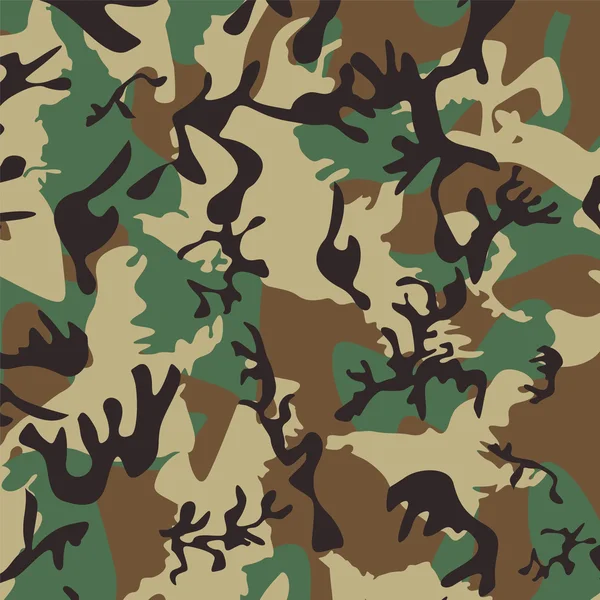
US Woodland camouflage pattern. — Stock Vector © delpieroo 63375707
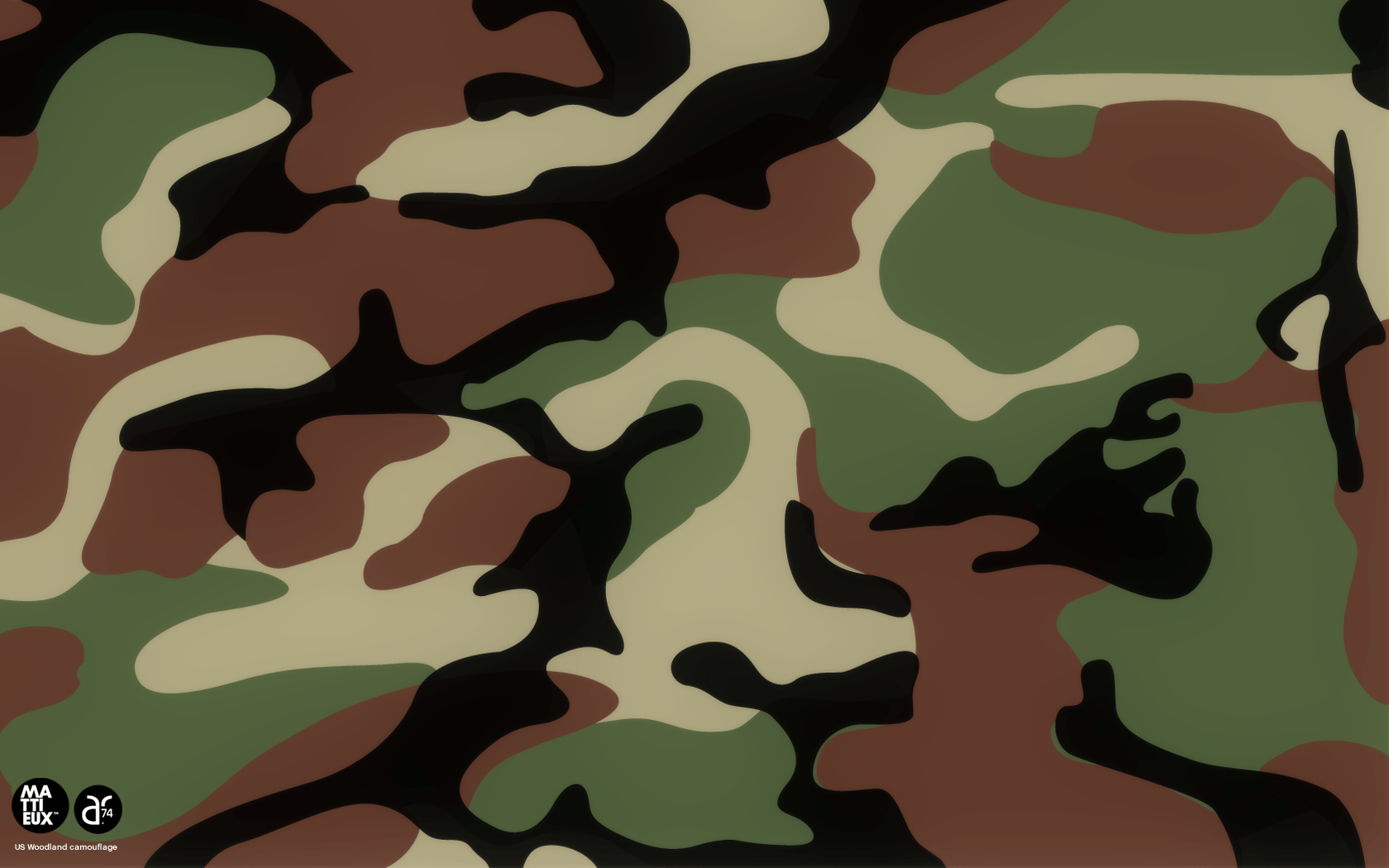
Woodland Camouflage Wallpapers HD Wallpaper Cave
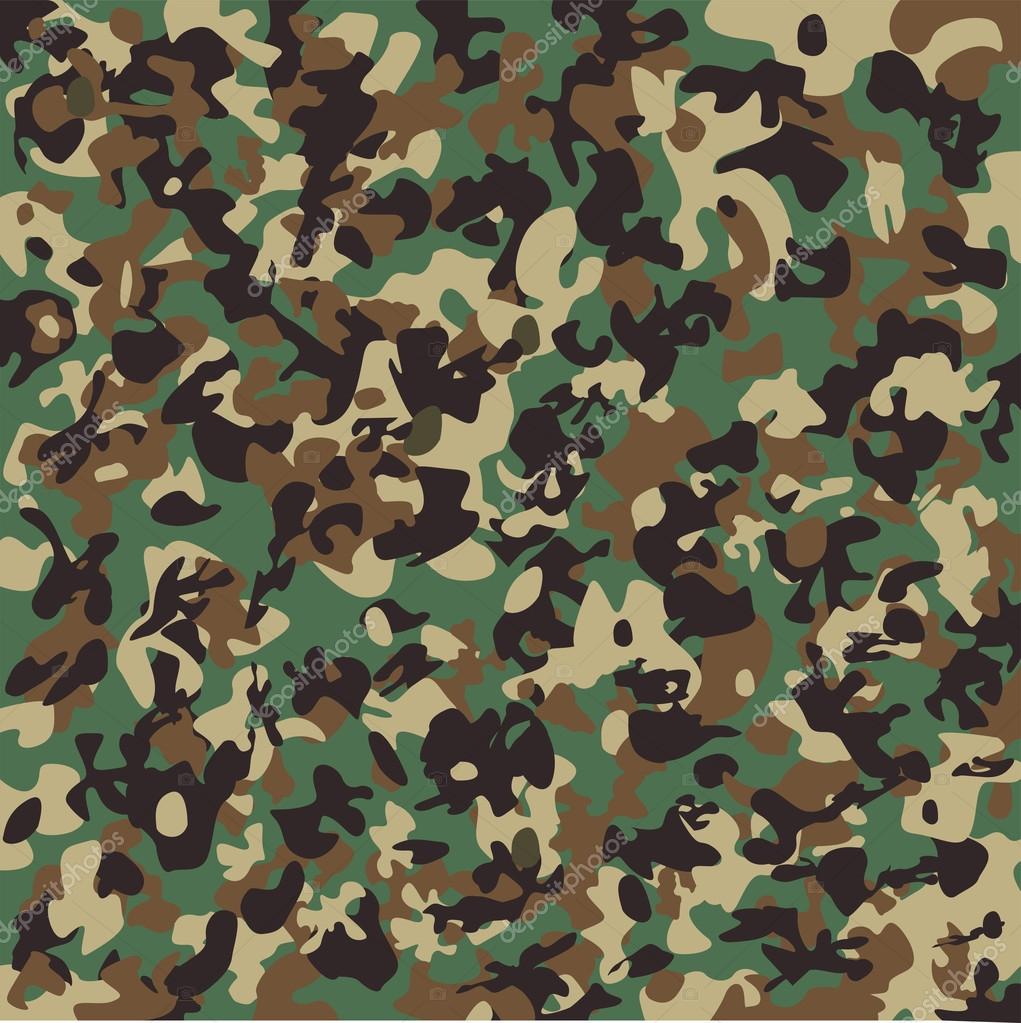
US Woodland camouflage pattern. Stock Vector Image by ©delpieroo 63375579
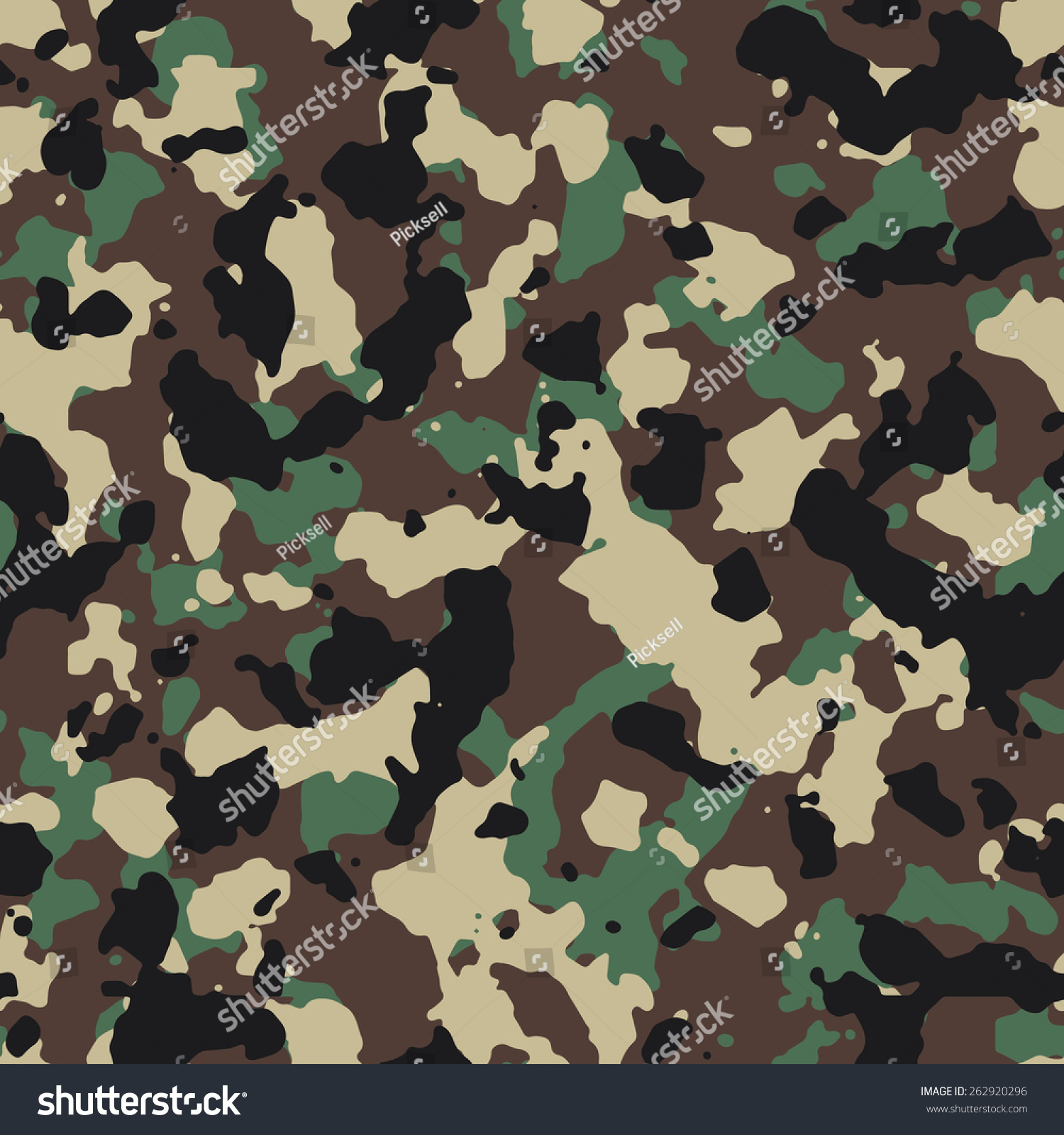
Seamless Woodland Us Army Camouflage Pattern Stock Vector 262920296
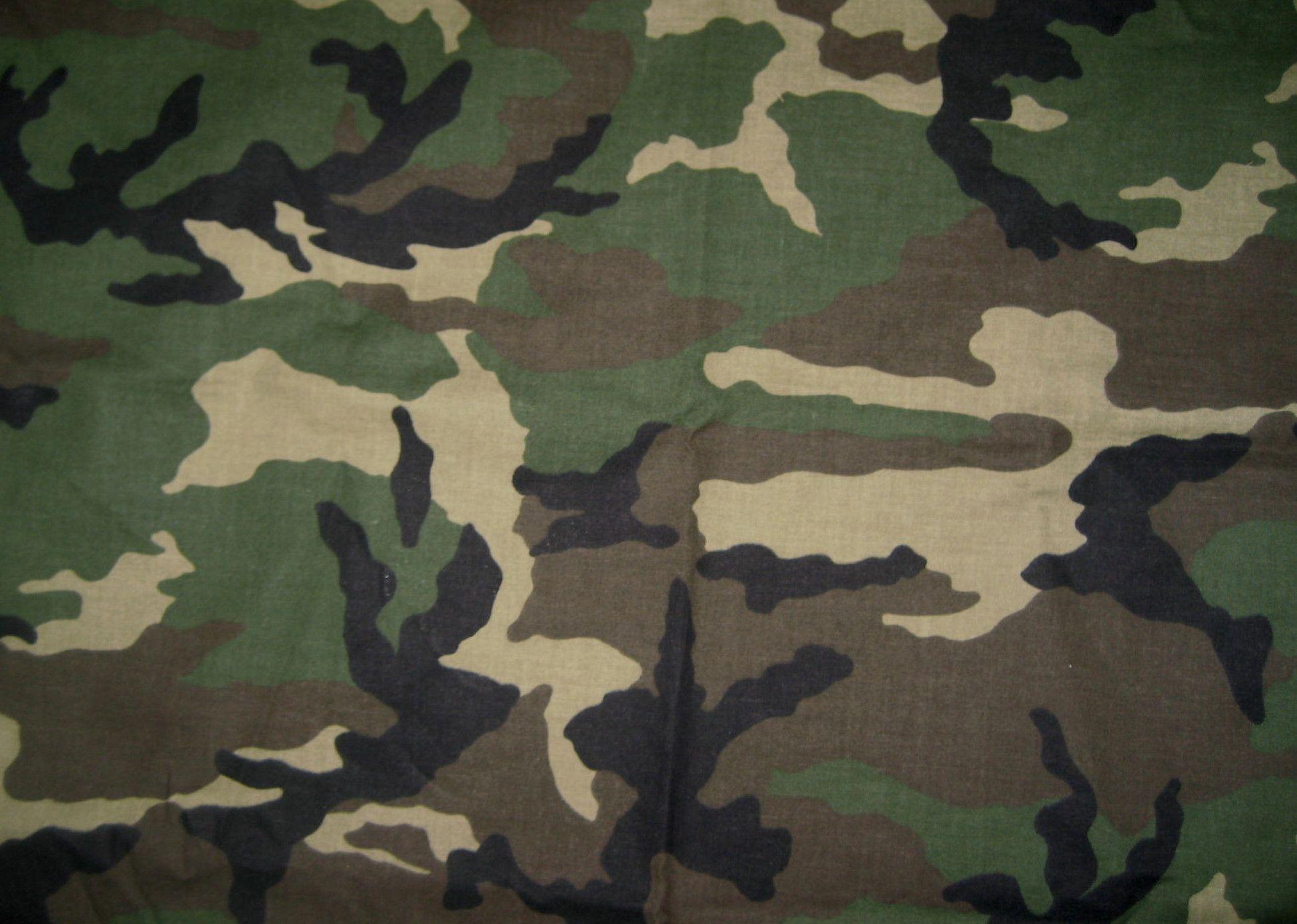
Woodland Camo Wallpapers Wallpaper Cave

US Woodland camouflage pattern. — Stock Vector © delpieroo 63375707
Web During The Cold War, The Camouflage Pattern That Became General Issue For The Entire U.s.
“M81 Woodland”) Was By Far The Most Commonly Used Camouflage Pattern Used By Us Military Personnel During The Cold War.
Web Adopted By The Usmc In 1977 And The Us Army In 1981, M81 Woodland Is A Classic Camo Pattern That Remained In Use Until The Mid 2000S.
Be Sure To Check Out Parts One And Two Which Covered The Mitchell And Erdl Patterns Which Preceded This One.
Related Post: