
Rare Fingerprint Patterns
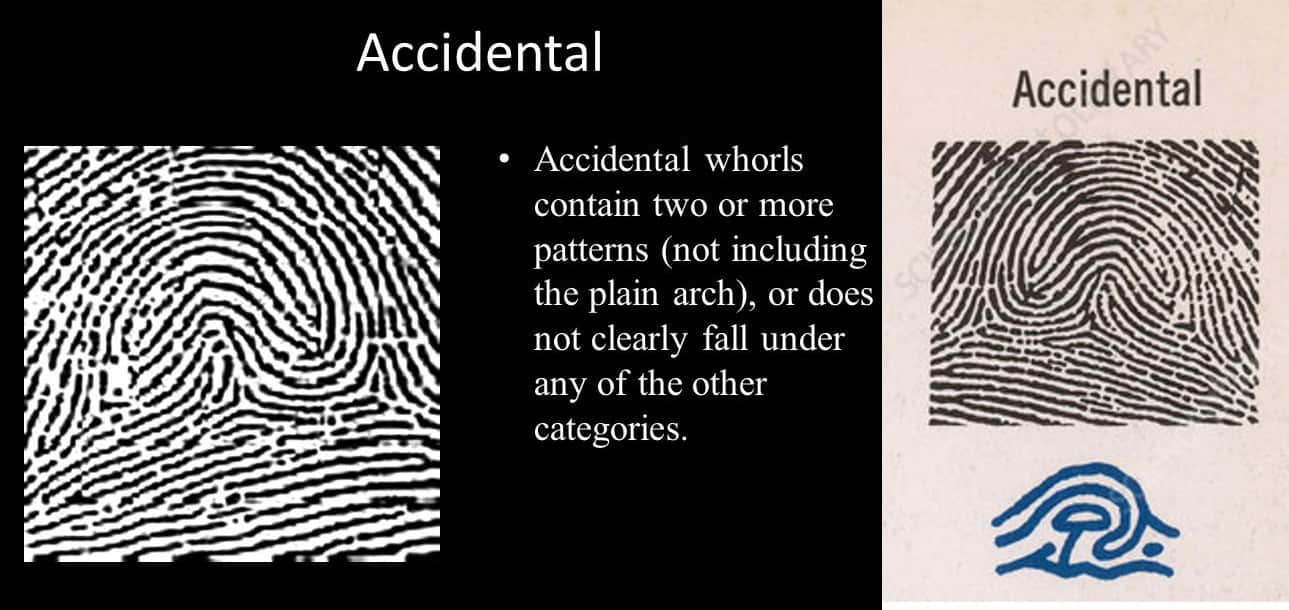
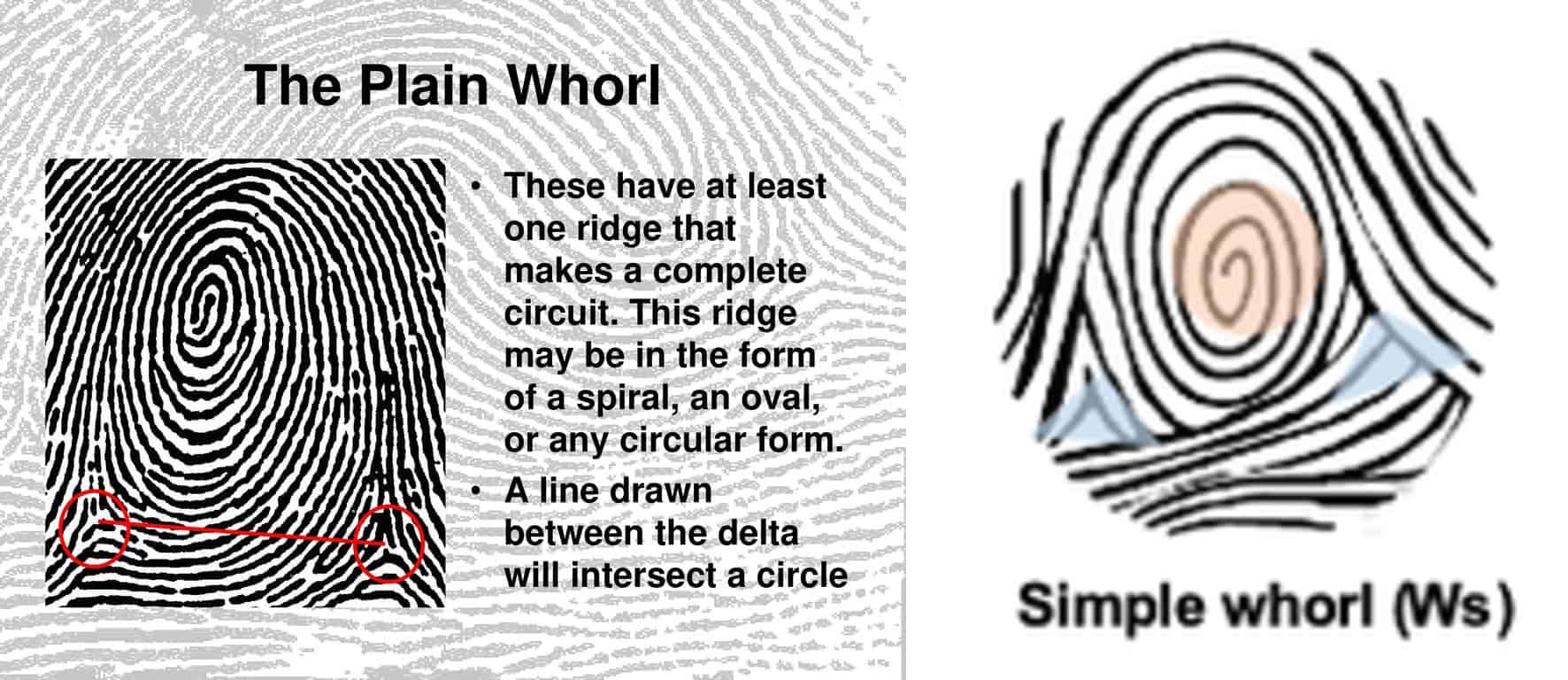
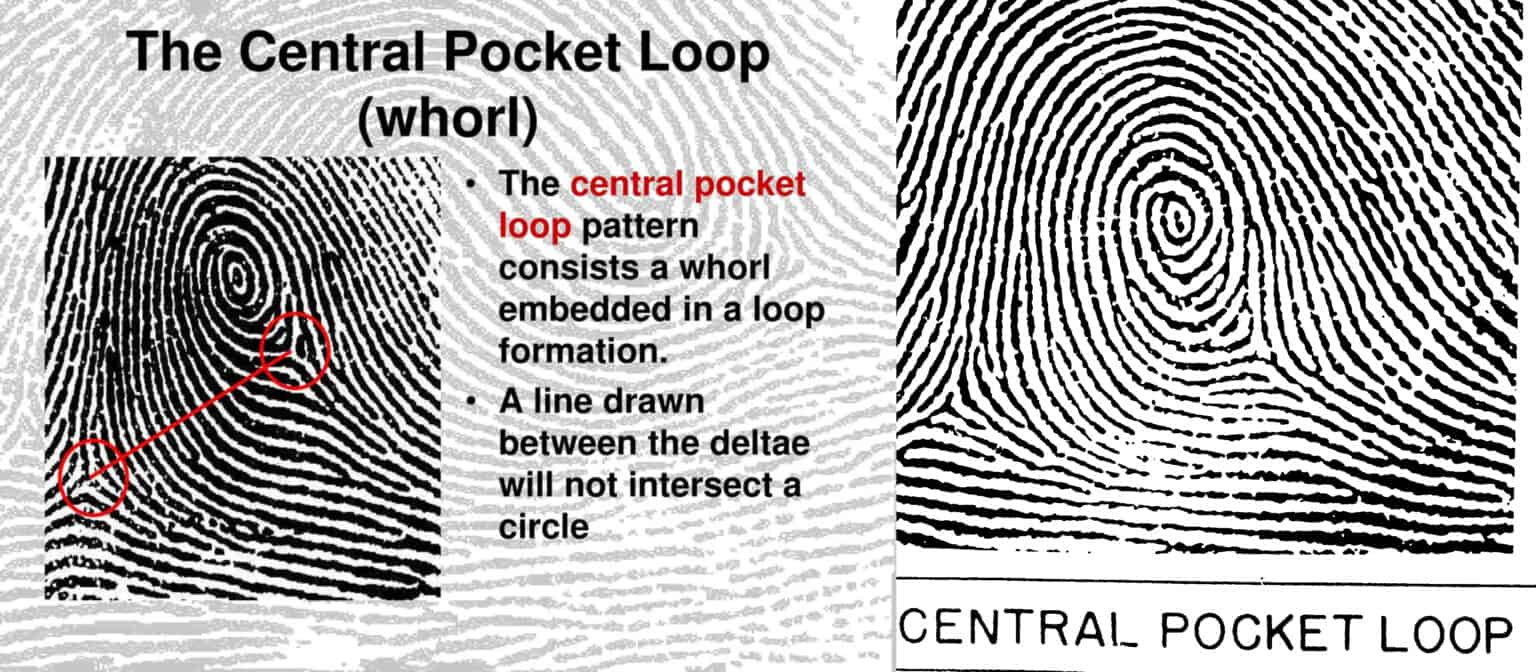
Rare Fingerprint Patterns - No two are the same, not even on the same person or on identical twins. Nousbeck et al., the american journal of human genetics (2011) share: Web types of fingerprint patterns. Web the fingerprint pattern, such as the print left when an inked finger is pressed onto paper, is that of the friction ridges on that particular finger. It is unique from the other two fingerprint types as it lacks cores and deltas. The arch is the rarest type of fingerprint. Web whether it’s the common radial loop, the complex double loop, or the rare accidental pattern, fingerprints remain an enduring marvel of nature, an unerring marker of our individuality, and a powerful tool in solving mysteries and. Its lack of cores, lines or deltas makes it unique. May 10, 2023 at 6:30 am. For example, a radial loop is common on the index finger, but extremely rare on the little finger. Glover et al / cell 2023. The arrangement and placement of them are what make your fingerprints a unique identifier. It is the least common type of fingerprint that is below 5% of all fingerprints. Friction ridge patterns are grouped into three distinct types—loops, whorls, and arches—each with unique variations, depending on the shape and relationship of the ridges: The arch is the rarest type of fingerprint. Scientists have finally closed the case on how fingerprints form. Web whether it’s the common radial loop, the complex double loop, or the rare accidental pattern, fingerprints remain an enduring marvel of nature, an unerring marker of our individuality, and a powerful tool in solving mysteries and. It is unique from the other two fingerprint types as it lacks cores and deltas. We describe eleven unusual fingerprint patterns, formulating categories that may aid in the individualisation process. The plain arch is defined by a slightly raised ridge pattern that flows across the finger from one side of the finger to the other. This is the rarest type of fingerprint. The three main types of fingerprints are separated into multiple categories within each category. Get to the bottom of it with this comprehensive guide! For example, a radial loop is common on the index finger, but extremely rare on the little finger. Web your fingerprints are unique. It is the least common type of fingerprint that is below 5% of all fingerprints. Nousbeck et al., the american journal of human genetics (2011) share: Web scientists categorize fingerprint patterns as either a whorl, loop or arch. Web in the most comprehensive analysis to date, researchers found that the shapes of fingerprints—whether they are circular, wavy, or winding—are influenced. Not only do your fingerprints help to identify you, but the patterns made of tiny ridges in your skin that help you to hold on to things. Web scientists categorize fingerprint patterns as either a whorl, loop or arch. Loops are the most common pattern, and arches are the most rare. Web in the most comprehensive analysis to date, researchers. Web the fingerprint pattern, such as the print left when an inked finger is pressed onto paper, is that of the friction ridges on that particular finger. Here are some scientific reasons why certain types of fingerprints are rarer than others: Web scientists haven't observed anything that would cause one hand to have a specific pattern type, while the other. Web the fingerprints are created by using a technique called an autoencoder. Web we found an incidence of unusual prints of 0.21% and describe these based on a comparison with the general pattern types according to henry’s classification. Three types of fingerprint patterns are: Web by altering the relative timing, location and angle of these starting points, the team could. Web the fingerprints are created by using a technique called an autoencoder. Web in the most comprehensive analysis to date, researchers found that the shapes of fingerprints—whether they are circular, wavy, or winding—are influenced by the genes responsible for limb. The ridges in the arch pattern run from one side of the finger to the other continuously without any recurve. The ridges in the arch pattern run from one side of the finger to the other continuously without any recurve or bend. Web in the most comprehensive analysis to date, researchers found that the shapes of fingerprints—whether they are circular, wavy, or winding—are influenced by the genes responsible for limb. Web by altering the relative timing, location and angle of. Get to the bottom of it with this comprehensive guide! Less than 1 in 20 people have such a fingerprint. Web your fingerprints are unique. Web in the most comprehensive analysis to date, researchers found that the shapes of fingerprints—whether they are circular, wavy, or winding—are influenced by the genes responsible for limb. Web types of fingerprint patterns. Web we found an incidence of unusual prints of 0.21% and describe these based on a comparison with the general pattern types according to henry’s classification. Web to see if you have an unusual or rare fingerprint, check which finger it is found on. It is patterned in a way that ridges run from one side of the fingertip to. Web your fingerprints are unique. Loops are the most common pattern, and arches are the most rare. Web the rarest fingerprint pattern is called the accidental pattern. Three types of fingerprint patterns are: Web types of fingerprint patterns. It is unique from the other two fingerprint types as it lacks cores and deltas. Web in the most comprehensive analysis to date, researchers found that the shapes of fingerprints—whether they are circular, wavy, or winding—are influenced by the genes responsible for limb. May 10, 2023 at 6:30 am. For example, a radial loop is common on the index finger, but extremely rare on the little finger. Web we found an incidence of unusual prints of 0.21% and describe these based on a comparison with the general pattern types according to henry’s classification. Scientists have finally closed the case on how fingerprints form. In a loop pattern the ridges enter from either side, curve up and then exit usually. Less than 1 in 100 people have such a fingerprint. Web the emergence of artificial intelligence (ai) and, more particularly, machine learning (ml), has had a significant impact on engineering and the fundamental sciences, resulting in advances in various fields. Web whether it’s the common radial loop, the complex double loop, or the rare accidental pattern, fingerprints remain an enduring marvel of nature, an unerring marker of our individuality, and a powerful tool in solving mysteries and. Less than 1 in 20 people have such a fingerprint. Web the fingerprints are created by using a technique called an autoencoder. Here are some scientific reasons why certain types of fingerprints are rarer than others: An autoencoder is a type of neural network that transforms the original image data into the fingerprint — called a latent representation by scientists — and that also includes a decoder algorithm used to go from the latent representation back to the full image. Web types of fingerprint patterns. The plain arch is defined by a slightly raised ridge pattern that flows across the finger from one side of the finger to the other.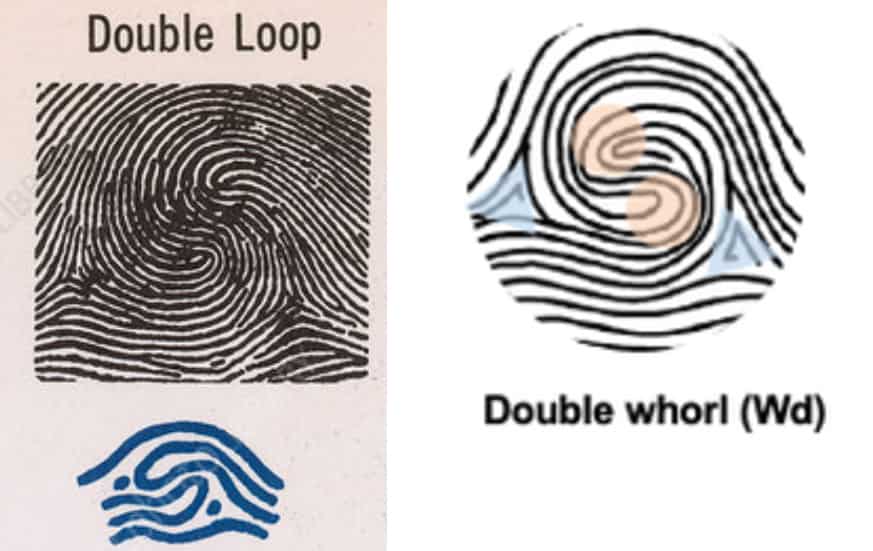
8 Rarest Types of Fingerprints

Palmistry and the Index Finger Mark Seltman's Real Palmistry Blog

Ulnar Loop Patterns

3 main fingerprint patterns basicstagemakeuptutorial

af An unusual fingerprint pattern named as a single spiral whorl with

The Whorl fingerprints Patterns
8 Rarest Types of Fingerprints
8 Rarest Types of Fingerprints
8 Rarest Types of Fingerprints

Double Loop Fingerprint
Web Your Fingerprints Are Unique.
Web The Rarest Fingerprint Pattern Is Called The Accidental Pattern.
We Describe Eleven Unusual Fingerprint Patterns, Formulating Categories That May Aid In The Individualisation Process.
Not Only Do Your Fingerprints Help To Identify You, But The Patterns Made Of Tiny Ridges In Your Skin That Help You To Hold On To Things.
Related Post: