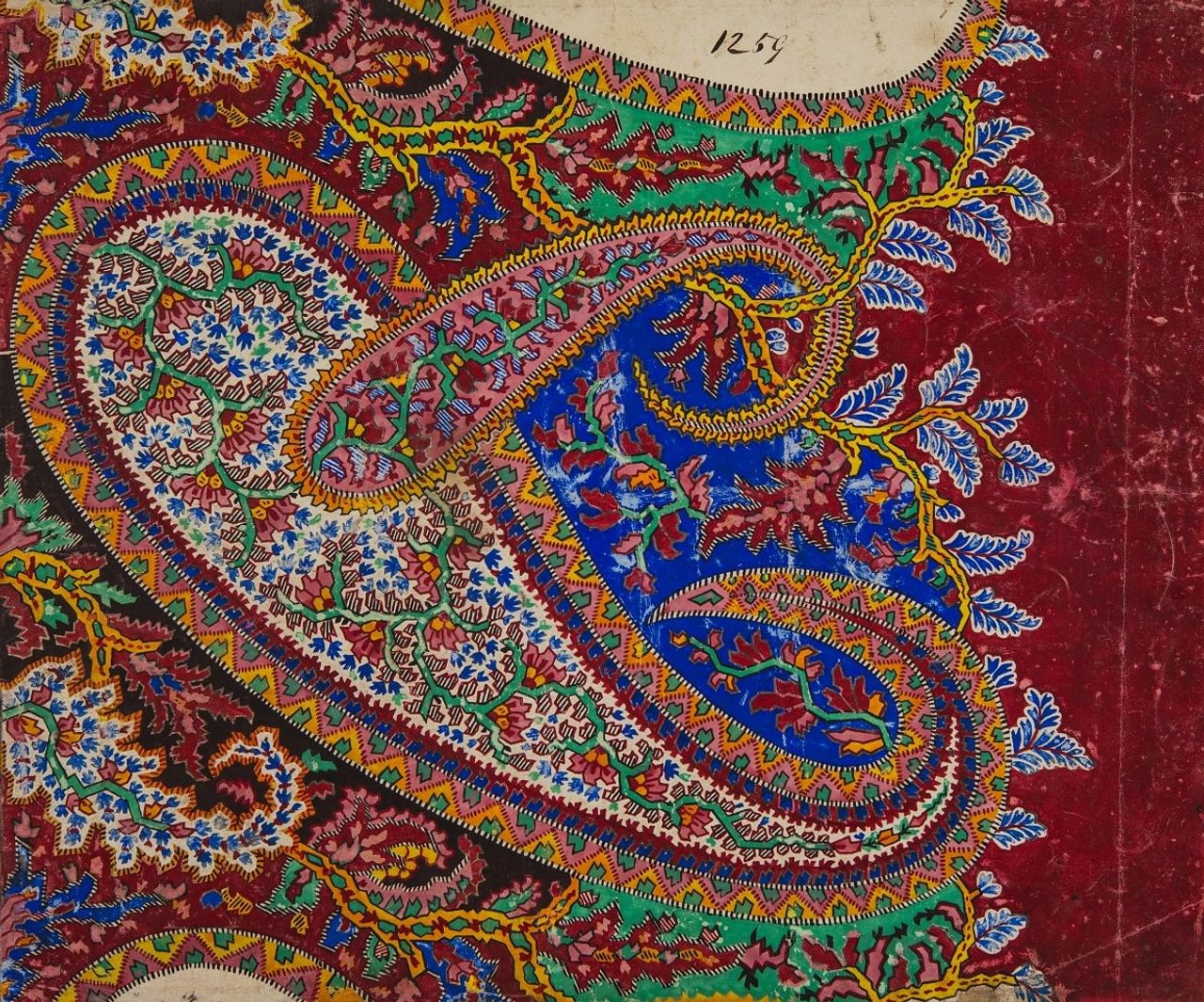
Paisley Pattern Origin
Paisley Pattern Origin - However, the word ‘paisley’ actually refers to the town of paisley in scotland. Web the scottish town of paisley became the eponymous home of the paisley pattern in the 19th century. Web the meaning of paisley is made typically of soft wool and woven or printed with colorful curved abstract figures. Ancient babylon in present day iraq is claimed to be one place of origin of the paisley form, possibly dating back to 1700bce. And it is as iconic and fashionable today as it was when it put paisley at the centre of the global textile trade. Web i was beginning to learn about britain's long, historical ties with india. Web origins of the paisley design. Web it’s likely that the paisley pattern originated as a zoroastrianism symbol. It is hard to identify the precise emergence of the paisley design, but it is possible to get close. But it was frankly flabbergasting when my academic supervisor at the university of glasgow, noted scholar prof nigel leask, remarked that my old and homely “paisley” pattern, in fact, had its origins in a neighbouring town. It is hard to identify the precise emergence of the paisley design, but it is possible to get close. Whilst there’s no concrete evidence, it’s believed that the pattern was derived from the zoroastrian symbol of a cypress tree combined with a floral spray, to represent life and fertility. Web the origins of the curved teardrop form come from the area between india and iran (known there as as buta and boteh respectively); Web origins of the paisley design. Web the history of the paisley pattern is genuinely fascinating. Web scotland’s largest town was forever changed by the paisley pattern. Paisley refers to a specific type of pattern characterized by curved teardrop shapes known as boteh or buto. According to fashion history scholars it is first seen in images from the persian empire in around 221 ad, though i have seen estimates much older. The design made its way to europe in the 18th century through the east india company, captivating the imagination of. The pattern is characterized by intricate curved shapes resembling teardrops or droplets, often arranged in a swirling and symmetrical fashion. Web the scottish town of paisley became the eponymous home of the paisley pattern in the 19th century. Web the history of the paisley pattern is genuinely fascinating. Web it’s likely that the paisley pattern originated as a zoroastrianism symbol. Web the origins of the curved teardrop form come from the area between india and iran (known there as as. Web the history of the paisley pattern dates back to over 2,000 years ago, the design originated in india back in the 11th century, near kashmir. Ancient babylon in present day iraq is claimed to be one place of origin of the paisley form, possibly dating back to 1700bce. But where does this motif come from? In britain the pattern. Whilst there’s no concrete evidence, it’s believed that the pattern was derived from the zoroastrian symbol of a cypress tree combined with a floral spray, to represent life and fertility. And it is as iconic and fashionable today as it was when it put paisley at the centre of the global textile trade. Web the history of the paisley pattern. Another opinion, expressed by sam willis in the 2016 bbc tv series the silk road, is that the symbol originated from the city of yazd in iran. According to fashion history scholars it is first seen in images from the persian empire in around 221 ad, though i have seen estimates much older. The design often depicts a teardrop shape. Web the history of the paisley pattern dates back to over 2,000 years ago, the design originated in india back in the 11th century, near kashmir. Web seen on furniture and fashion, paisley is one of the most endearing patterns of all time. Whilst there’s no concrete evidence, it’s believed that the pattern was derived from the zoroastrian symbol of. But where does this motif come from? And it is as iconic and fashionable today as it was when it put paisley at the centre of the global textile trade. Paisley refers to a specific type of pattern characterized by curved teardrop shapes known as boteh or buto. Paisley patterns can be lush with dense swirls and intricate lines or. It is hard to identify the precise emergence of the paisley design, but it is possible to get close. It is instantly recognised across the world. But where does this motif come from? It is believed to have originated in ancient persia, where it was known as the boteh motif or buta pattern. The design made its way to europe. Web it’s likely that the paisley pattern originated as a zoroastrianism symbol. Web paisley or paisley pattern is an ornamental textile design using the boteh (persian: Web as part of our decolonisation series, we take a closer look at the paisley pattern. Ancient babylon in present day iraq is claimed to be one place of origin of the paisley form,. Web i was beginning to learn about britain's long, historical ties with india. It is named for the shawls manufactured at the town of paisley, scot. But where does this motif come from? Web the meaning of paisley is made typically of soft wool and woven or printed with colorful curved abstract figures. How to use paisley in a sentence. The design often depicts a teardrop shape with curved arms branching out from its sides, forming an intricate swirl. Web the scottish town of paisley became the eponymous home of the paisley pattern in the 19th century. Web the meaning of paisley is made typically of soft wool and woven or printed with colorful curved abstract figures. The design was. Web paisley or paisley pattern is an ornamental textile design using the boteh (persian: Web origins of the paisley: Another opinion, expressed by sam willis in the 2016 bbc tv series the silk road, is that the symbol originated from the city of yazd in iran. Apparently, the pattern originates from the zoroastrian symbol of life and fertility represented by a cypress tree combined with a floral motif. Web the design originated in india back in the 11th century, near kashmir. But where does this motif come from? But it was frankly flabbergasting when my academic supervisor at the university of glasgow, noted scholar prof nigel leask, remarked that my old and homely “paisley” pattern, in fact, had its origins in a neighbouring town. It is believed to have originated in ancient persia, where it was known as the boteh motif or buta pattern. Paisley patterns can be lush with dense swirls and intricate lines or comprised of sparse shapes set on a placid background. Web the paisley symbol has a long and rich history that dates back centuries. It is instantly recognised across the world. Paisley refers to a specific type of pattern characterized by curved teardrop shapes known as boteh or buto. And it is as iconic and fashionable today as it was when it put paisley at the centre of the global textile trade. Elaborate or understated, paisley is recognizable for the unique figure at its core. Web the scottish town of paisley became the eponymous home of the paisley pattern in the 19th century. The design often depicts a teardrop shape with curved arms branching out from its sides, forming an intricate swirl.The Paisley Pattern from Its Origins to the Modern Runway

A Brief History of Paisley Elements
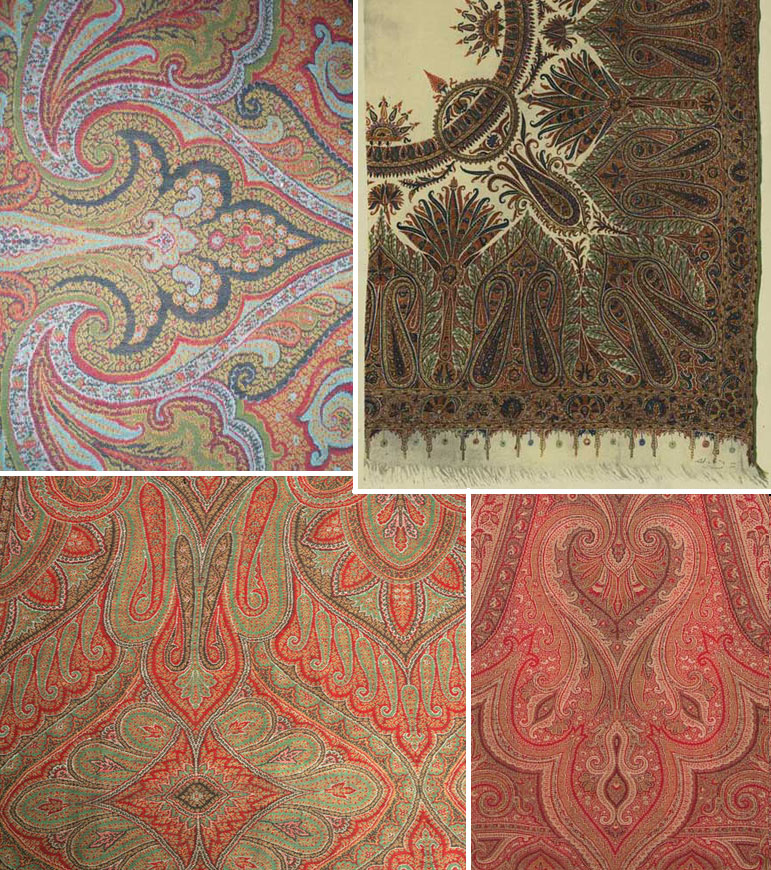
The History of Surface Design Paisleys Pattern Observer
V&A Dundee · A "tasteless" history of the Paisley pattern
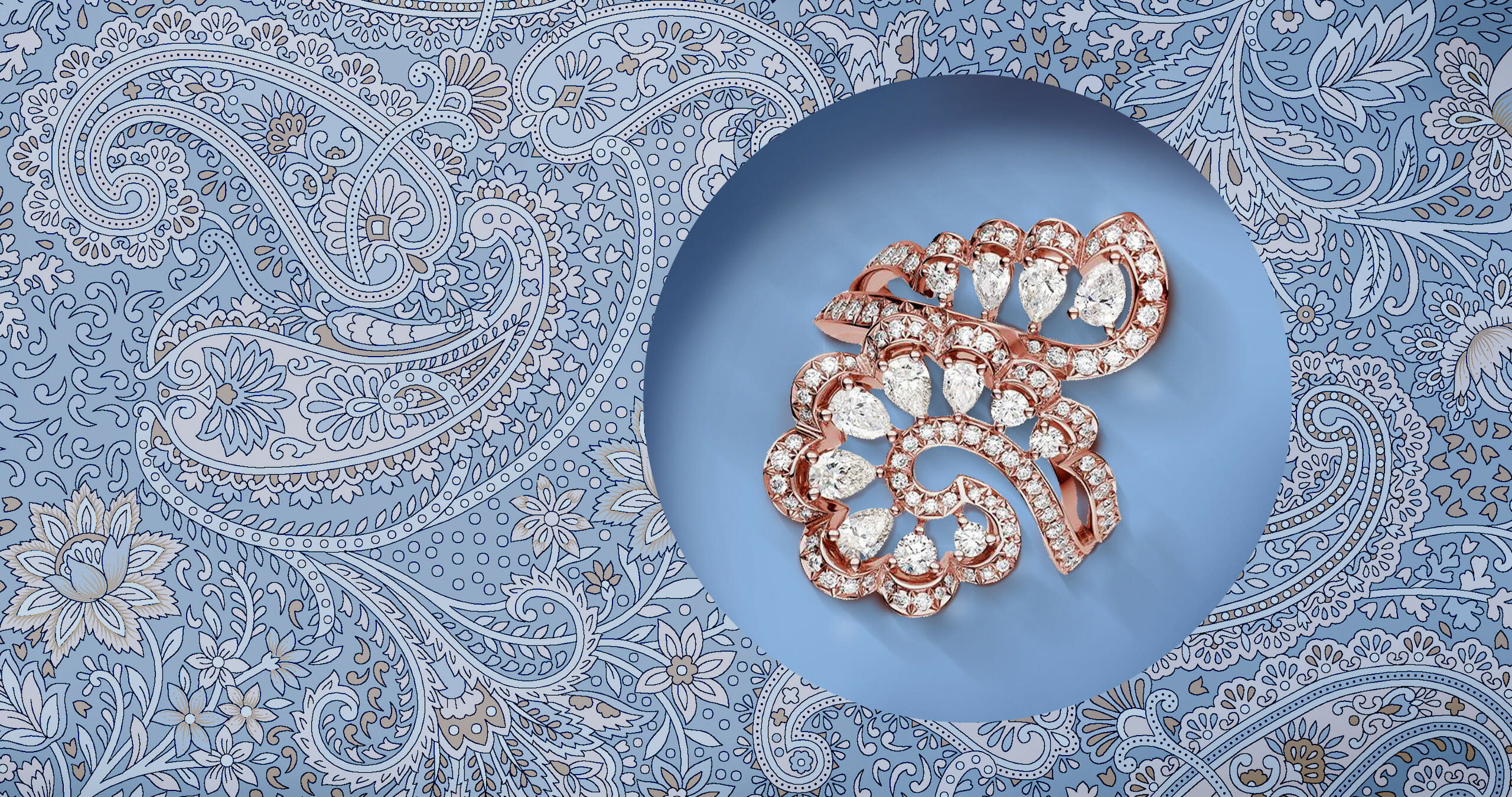
History of Paisley Pattern Jewellery Only Natural Diamonds

A brief history of paisley

The Origin of the Paisley Pattern The East India Company

Helena Roberts Paisley Designs Paisley art, Paisley design, Paisley

indian paisley patterns Google Search Paisley art, Paisley pattern

HISTORY OF PAISLEY ORIGIN OF PAISLEY SYMBOL & PATTERN Paisley
How To Use Paisley In A Sentence.
Web The Meaning Of Paisley Is Made Typically Of Soft Wool And Woven Or Printed With Colorful Curved Abstract Figures.
Web The Origins Of The Curved Teardrop Form Come From The Area Between India And Iran (Known There As As Buta And Boteh Respectively);
The Design Was A Highly Popular Pattern For Textiles In Iran During The Pahlavi And Qajar Dynasties And Was Used To Decorate Royal Crowns, Regalia And Court Garments.
Related Post: