
Mexican Day Of The Dead Patterns
Mexican Day Of The Dead Patterns - Web the term is often applied to edible or decorative skulls made (usually with molds) from either sugar (called alfeñiques) or clay, used in the mexican celebration of the day of the dead (spanish: An important factor on that path, according to brandes, was the astoundingly high mortality rates that followed the invasion. Web la catrina has become a prominent symbol of death in mexico, and is the inspiration for a lot of day of the dead makeup and costumes. They’re typically decorated with colorful patterns of icing and other vibrant motifs, and carry the name of the deceased. Web dia de los muertos, or day of the dead, is a holiday celebrated throughout mexico, central america and south america. Hector colin brings marigolds to decorate. Let us help find the best dia de los muertos decorations for your fiesta. The traditional mexican holiday where we celebrate life and honor our passed ones and guide them to a good place in the afterlife. This set of seamless dia de los muertos patterns includes a pattern with skulls, maracas, flowers, and other festive elements. People make figurines out of clay, wood or paper mache to. Web la catrina has become a prominent symbol of death in mexico, and is the inspiration for a lot of day of the dead makeup and costumes. Web if you’re celebrating day of the dead in mexico, you’ll see these small skulls made of sugar everywhere during the celebration. All this and more live at 5:30 p.m. This article explores the nature and origin of death imagery related to the day of the dead. Web dia de los muertos, or day of the dead, is a holiday celebrated throughout mexico, central america and south america. Web mexicans, in their popular arts, display an undeniable fascination with skulls, skeletons, and other representations of death, items that elsewhere cause a sensation of unpleasantness or even dread. Hector colin brings marigolds to decorate. Here's their significance and how to make them at home. Web here's what you need to know about the symbols and traditions associated with mexico's day of the dead, known in spanish as día de muertos. This traditional cut paper folk art is found throughout mexico and the former colonies of spain as well as in the folk traditions of many other countries. Web pan de muerto (spanish for 'bread of the dead') is a type of pan dulce traditionally baked in mexico and the mexican diaspora during the weeks leading up to the día de los muertos, which is celebrated from november 1 to november 2. Web those colorful, festive cut paper banners you see on día de los muertos (day of. Papel picados used in dia de muertos are often cut with patterns of skulls and strung around altars ( ofrendas ). Día de los muertos (day of the dead) is an ancient, complex and deeply heartfelt celebration that sees people throughout mexico remember and pay homage to loved ones who have passed. Embrace the holiday with these 35+ day of. Web dia de los muertos, or day of the dead, is a holiday celebrated throughout mexico, central america and south america. Web do you enjoy celebrating dia de los muertos? Web from marigolds to sugar skulls, the traditional mexican holiday is full of symbols. Web día de los muertos is celebrated across mexico with skulls, skeletons, and graveside visits—but what. Here's their significance and how to make them at home. Web those colorful, festive cut paper banners you see on día de los muertos (day of the dead) altars and at mexican celebrations are papel picado. All this and more live at 5:30 p.m. Web papel picado literally means ‘punched’ or ‘perforated’ paper. Web one of the most recognizable types. Web papel picado literally means ‘punched’ or ‘perforated’ paper. Papel picados used in dia de muertos are often cut with patterns of skulls and strung around altars ( ofrendas ). Web if you’re celebrating day of the dead in mexico, you’ll see these small skulls made of sugar everywhere during the celebration. People make figurines out of clay, wood or. Día de los muertos (day of the dead) is an ancient, complex and deeply heartfelt celebration that sees people throughout mexico remember and pay homage to loved ones who have passed. Web la catrina has become a prominent symbol of death in mexico, and is the inspiration for a lot of day of the dead makeup and costumes. All this. Web dia de los muertos (the day of the dead) is a holiday rooted deep in mexican culture. The traditional mexican holiday where we celebrate life and honor our passed ones and guide them to a good place in the afterlife. Web the day of the dead (el día de los muertos), is a mexican holiday where families welcome back. Web papel picado literally means ‘punched’ or ‘perforated’ paper. Web eventually, these anthropomorphic dough figurines, combined with spanish ritual practice, resulted in the mexican custom of edible day of the dead figurines. This traditional cut paper folk art is found throughout mexico and the former colonies of spain as well as in the folk traditions of many other countries. Web. The holiday is on november 2nd (all souls day) but the party can last as long as a week. Web the day of the dead (el día de los muertos), is a mexican holiday where families welcome back the souls of their deceased relatives for a brief reunion that includes food, drink and. People make figurines out of clay, wood. Web those colorful, festive cut paper banners you see on día de los muertos (day of the dead) altars and at mexican celebrations are papel picado. Web mexicans, in their popular arts, display an undeniable fascination with skulls, skeletons, and other representations of death, items that elsewhere cause a sensation of unpleasantness or even dread. Hector colin brings marigolds to. This traditional cut paper folk art is found throughout mexico and the former colonies of spain as well as in the folk traditions of many other countries. Hector colin brings marigolds to decorate. Web pan de muerto (spanish for 'bread of the dead') is a type of pan dulce traditionally baked in mexico and the mexican diaspora during the weeks leading up to the día de los muertos, which is celebrated from november 1 to november 2. Web papel picado literally means ‘punched’ or ‘perforated’ paper. Web the term is often applied to edible or decorative skulls made (usually with molds) from either sugar (called alfeñiques) or clay, used in the mexican celebration of the day of the dead (spanish: Web sugar skulls, also called calaveras de azucar, are a mexican symbol of the day of the dead. Web dia de los muertos (the day of the dead) is a holiday rooted deep in mexican culture. All this and more live at 5:30 p.m. The traditional mexican holiday where we celebrate life and honor our passed ones and guide them to a good place in the afterlife. Día de muertos) and the roman catholic holiday all souls' day. Día de los muertos (day of the dead) is an ancient, complex and deeply heartfelt celebration that sees people throughout mexico remember and pay homage to loved ones who have passed. Traditionally, these pieces of mexican folk art were chiseled by hand from stacks of tissue paper using designs that varied based on the occasion. Here's their significance and how to make them at home. People make figurines out of clay, wood or paper mache to. Let us help find the best dia de los muertos decorations for your fiesta. Web from marigolds to sugar skulls, the traditional mexican holiday is full of symbols.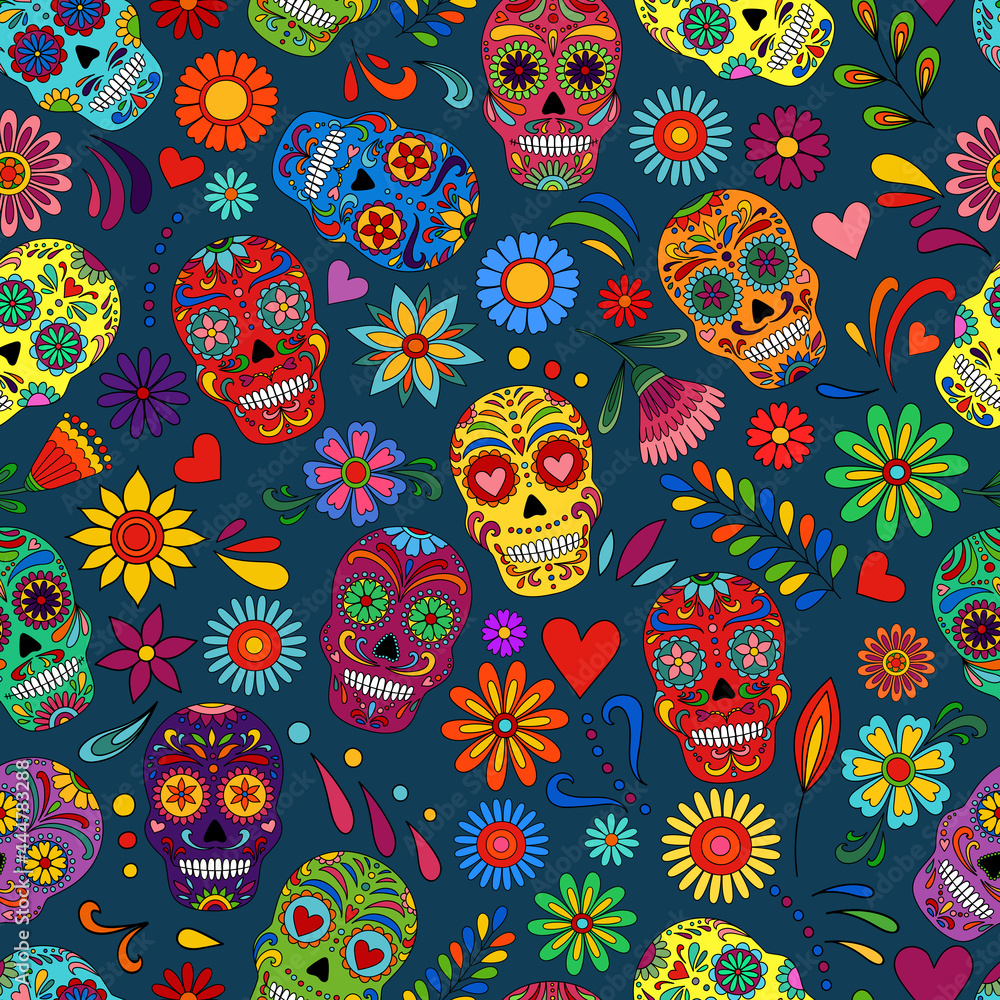
Day of the Dead skulls pattern. Dia de los muertos print. Day of the

Day of the dead pattern Royalty Free Vector Image
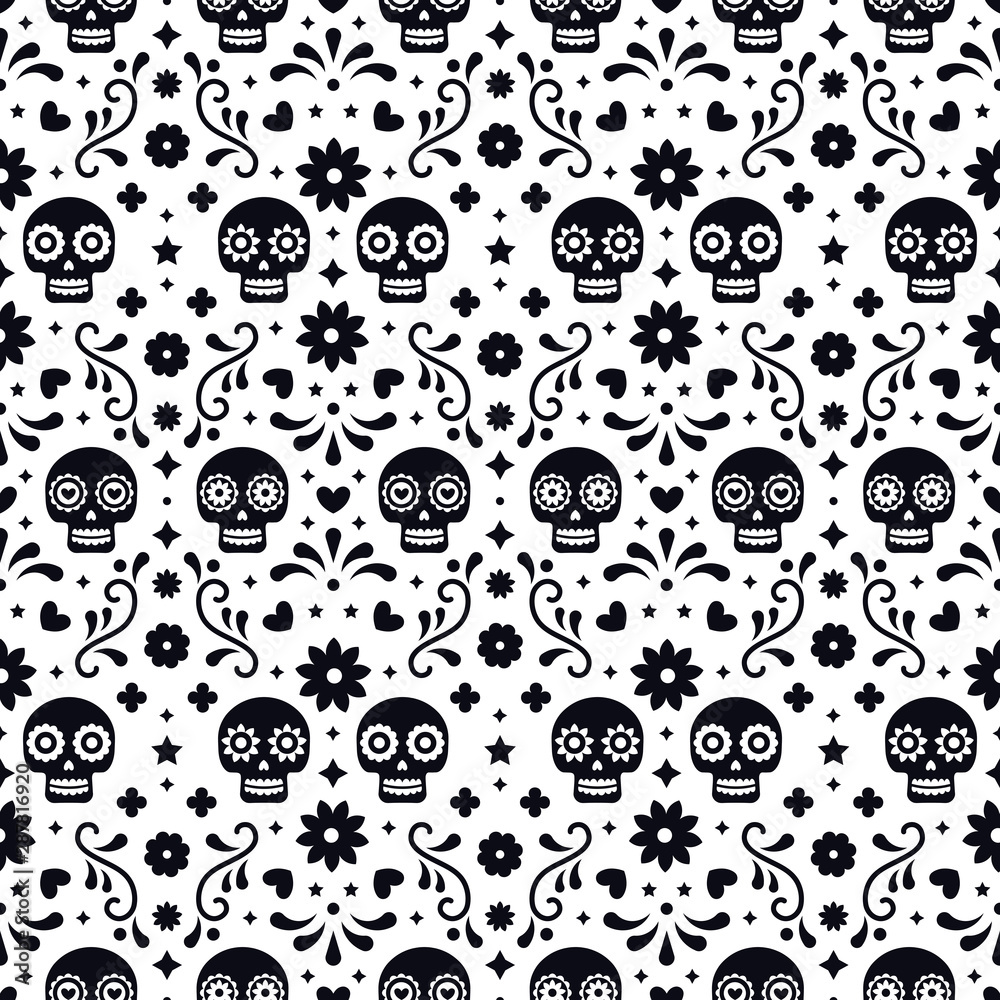
Day of the dead seamless pattern with skulls and flowers on white

Day of the Dead Seamless Pattern. Dia De Los Muertos Mexican Festival

Day dead mexican icons seamless pattern Royalty Free Vector

Day of the Dead Seamless Pattern. Dia De Los Muertos Mexican Festival

Day dead seamless pattern Royalty Free Vector Image

Seamless Pattern with Sugar Skulls. Mexican Day of the Dead Stock

Mexican day dead seamless pattern Royalty Free Vector Image

Pin on Sugar Skulls by Thaneeya
Web Here's What You Need To Know About The Symbols And Traditions Associated With Mexico's Day Of The Dead, Known In Spanish As Día De Muertos.
Web Mexicans, In Their Popular Arts, Display An Undeniable Fascination With Skulls, Skeletons, And Other Representations Of Death, Items That Elsewhere Cause A Sensation Of Unpleasantness Or Even Dread.
They’re Typically Decorated With Colorful Patterns Of Icing And Other Vibrant Motifs, And Carry The Name Of The Deceased.
This Article Explores The Nature And Origin Of Death Imagery Related To The Day Of The Dead.
Related Post: