
Knitting Pattern Chart Symbols
Knitting Pattern Chart Symbols - For example, the symbol for a knit stitch is a vertical line and the symbol for a purl stitch is a horizontal one. Below we’ve broken down a list of the most common knitting. Web reading knitting charts is a breeze when you know the symbols and how to interpret the rows. Web following are the standardized knit symbols that have been adopted by members of the craft yarn council and are considered to be the clearest and easiest to render and to read. Note, that the pattern repeat is marked by two arrows at the bottom of the chart. These symbols provide a visual representation of the knitting pattern, making it easier for knitters to follow along and create their desired project. Web when reading a knitting chart pattern, it is important to understand the various symbols that are used to represent different stitches and actions. Ssk slip 2 stitches knitwise, then knit slipped stitches together. Symbols are used on the chart to simplify the pattern. This will explain which symbols represent which kind of stitches. There are a wide variety of knit symbols used in patterns, including special symbols made for specific projects. Symbols are used on the chart to simplify the pattern. Web a knitting chart is a visual representation of the stitch pattern, which can be seen by comparing the swatch and the chart below, where the sailboat image is clearly identifiable in both. Web learn how to read a knitting chart and unlock a whole treasure trove of fab knitting projects! We’ll start with a simple chart shown in the photo below (it comes from issue 54 of “filati handknitting” magazine). Web following are the standardized knit symbols that are commonly used by members of the craft yarn council, followed by two versions of cable symbols. Unfamiliar knitting symbols and terms can be researched online or in books. Note, that the pattern repeat is marked by two arrows at the bottom of the chart. The chart depicts the right side—or “public” side—of the knitted fabric. Web reading knitting charts is a breeze when you know the symbols and how to interpret the rows. Web reading knitting charts is a breeze when you know the symbols and how to interpret the rows. For example, the symbol for a knit stitch is a vertical line and the symbol for a purl stitch is a horizontal one. Note, that the pattern repeat is marked by two arrows at the bottom of the chart. There are no. Web in many knitting patterns, especially those with cabled designs, you will probably see a chart. Web each symbol represents the stitch as it appears on the right side of the work. Web there are many knitting symbols that you may encounter as you work through charted patterns. For the most part each symbol represents a stitch as it looks. Unfamiliar knitting symbols and terms can be researched online or in books. For the most part each symbol represents a stitch as it looks on the right side of the work. Get pen and paper (or laptop), strictly follow every square and row of the chart. Ssk slip 2 stitches knitwise, then knit slipped stitches together. Web learn how to. Charts use squares to show each individual stitch, with symbols inside to tell you how to work those stitches. Symbols are used on the chart to simplify the pattern. Elizabeth bagwell will talk you through how to follow a knitting pattern chart and 6 essential questions to ask yourself before you know how to knit from a chart. Web you. We’ll start with a simple chart shown in the photo below (it comes from issue 54 of “filati handknitting” magazine). These symbols provide a visual representation of the knitting pattern, making it easier for knitters to follow along and create their desired project. Web following are the standardized knit symbols that are commonly used by members of the craft yarn. In this article you’ll learn how to read a knitting chart, from a basic chart to an advanced knitting chart. Knitting charts are used as an alternative to written instructions, and they can be especially useful for complex stitch patterns or designs. There are a wide variety of knit symbols used in patterns, including special symbols made for specific projects.. Web unfortunately, there is no universal standard for knitted stitch charts. However, most chart symbols are meant to represent what the stitches will look like when the actions are completed, so it’s usually possible to figure out the type of cable that is being worked simply by looking at the chart. Web there are many knitting symbols that you may. The majority of patterns for lace, colorwork, and cabled projects include a chart or two, so chart reading is a valuable skill for every knitter to possess. Web sk2po slip one stitch knitwise, then knit 2 stitches together and pass the slipped stitch over. Web reading knitting charts is a breeze when you know the symbols and how to interpret. The most basic symbols are the knit stitch, which is a blank square, and the purl symbol, which has a small dot in the center of it. Web learn how to read a knitting stitch pattern with this easy guide. There are no markings at. Charts can make even the most complicated stitches manageable for beginners! Ssk slip 2 stitches. Web in many knitting patterns, especially those with cabled designs, you will probably see a chart. Web knitting charts are designed to help knitters visualize their project and keep the stitches in order. Web how to follow a knitting chart. There are no markings at. Let me elaborate a bit on that so you can truly understand it. Knitting charts are used as an alternative to written instructions, and they can be especially useful for complex stitch patterns or designs. Web learn how to read a knitting chart and unlock a whole treasure trove of fab knitting projects! For the most part each symbol represents a stitch as it looks on the right side of the work. Web learn how to read a knitting stitch pattern with this easy guide. For example, the symbol for a knit stitch is a vertical line and the symbol for a purl stitch is a horizontal one. Web when reading a knitting chart pattern, it is important to understand the various symbols that are used to represent different stitches and actions. Symbols are used on the chart to simplify the pattern. This will explain which symbols represent which kind of stitches. Web each symbol represents the stitch as it appears on the right side of the work. Web learning how to read knitting charts is actually easier that it seems at first when you only see blocks with a bunch of symbols in them. Web review examples of knitting charts, find out which direction to begin reading, get a freshener on right and wrong sides of your knitting piece, translate chart symbols, and find out when to start pattern repeats. Web following are the standardized knit symbols that are commonly used by members of the craft yarn council, followed by two versions of cable symbols. Web following are the standardized knit symbols that have been adopted by members of the craft yarn council and are considered to be the clearest and easiest to render and to read. The majority of patterns for lace, colorwork, and cabled projects include a chart or two, so chart reading is a valuable skill for every knitter to possess. Ssk slip 2 stitches knitwise, then knit slipped stitches together. Web you should refer to the abbreviations list in your pattern to make sure that you are properly following the intended instruction for each symbol on the chart.
Common Knitting Chart Symbols Knitting charts, Knitting blogs, How to
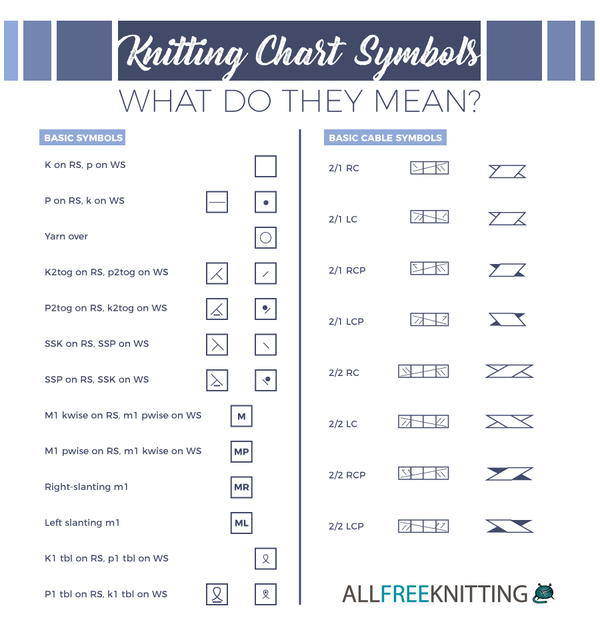
How to Read a Knitting Chart

Knitting Chart Symbols Joanne's Web Knitting charts, Knitting

Knitting symbol chart
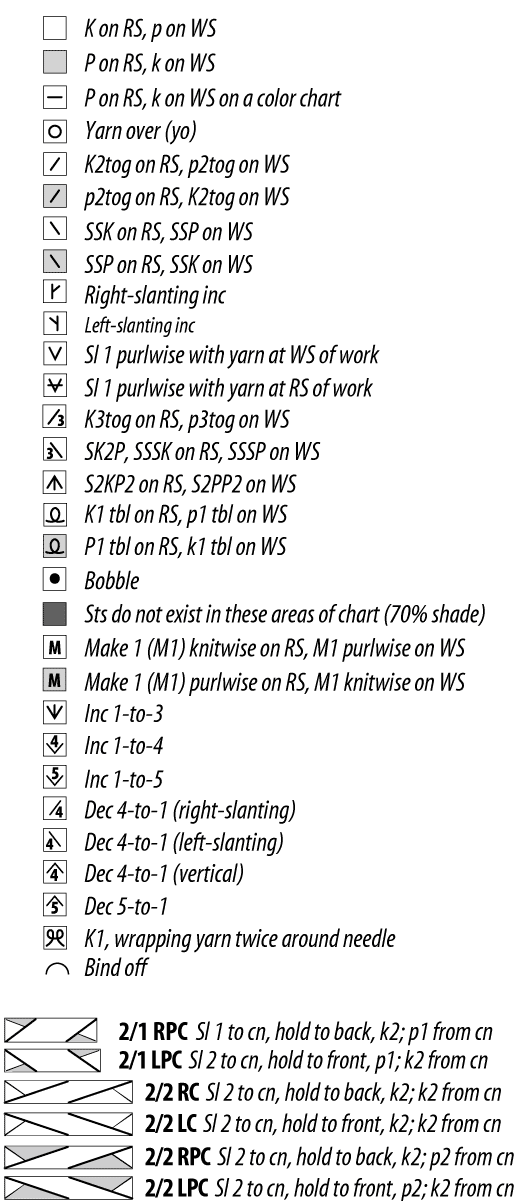
Knitting Abbreviations and Knitting chart Symbols Knitting Unlimited

Free Knitting Chart Patterns
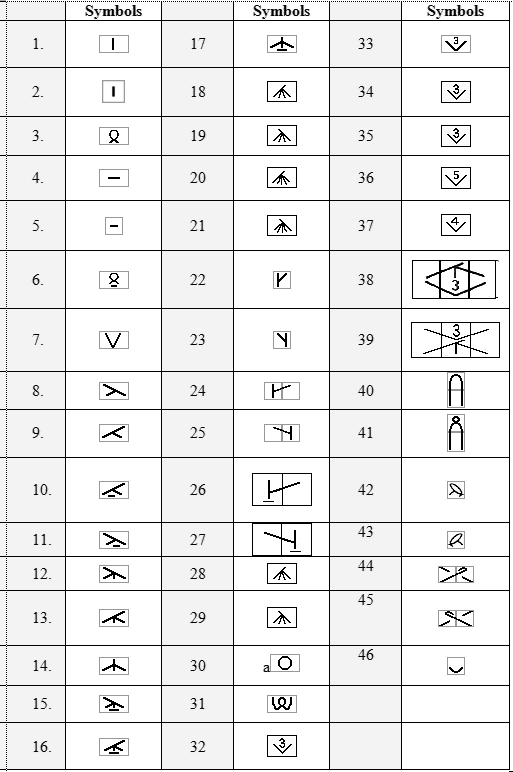
Knitting Abbreviations and Knitting chart Symbols Knitting Unlimited
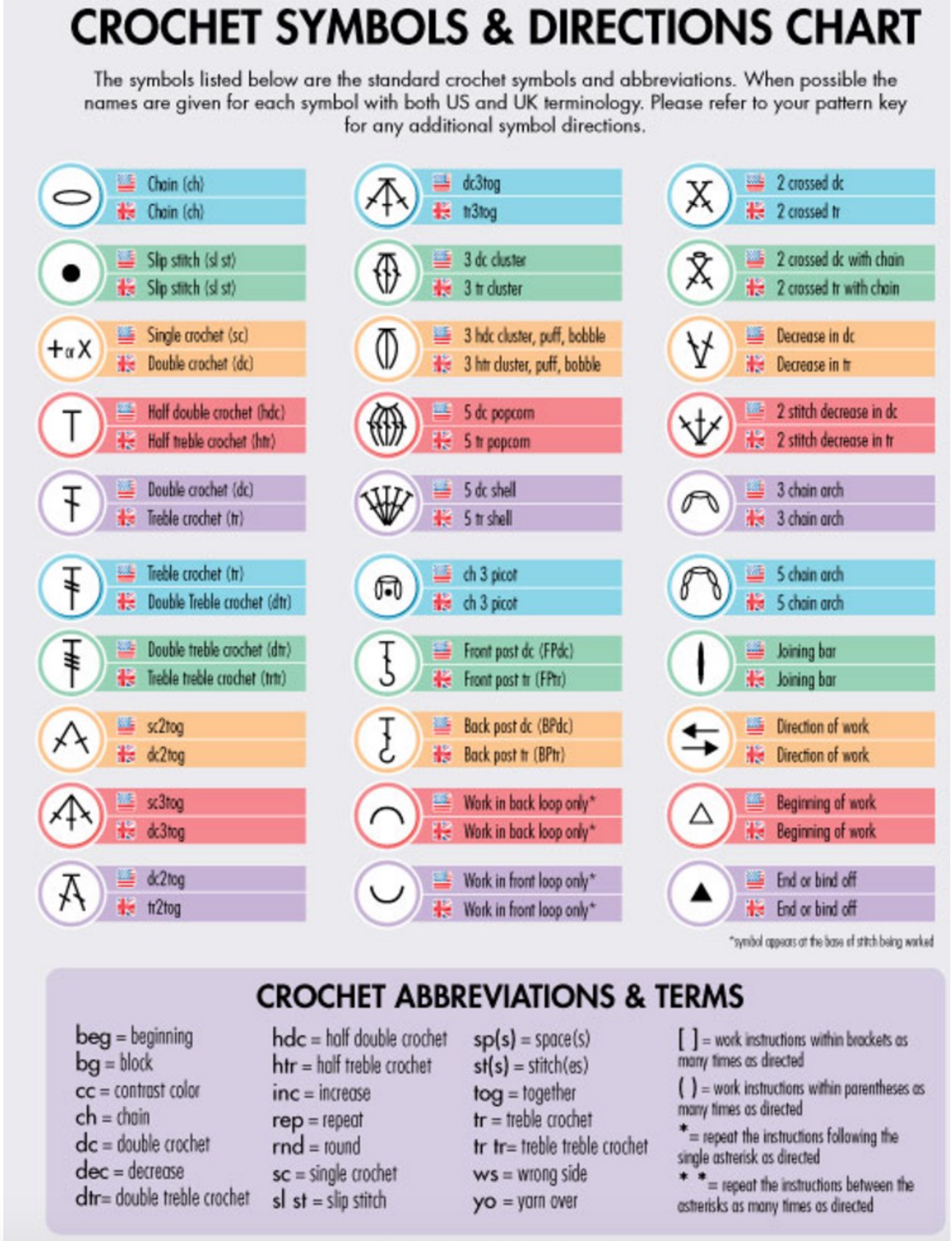
Crochet stitches and symbols Knits r us
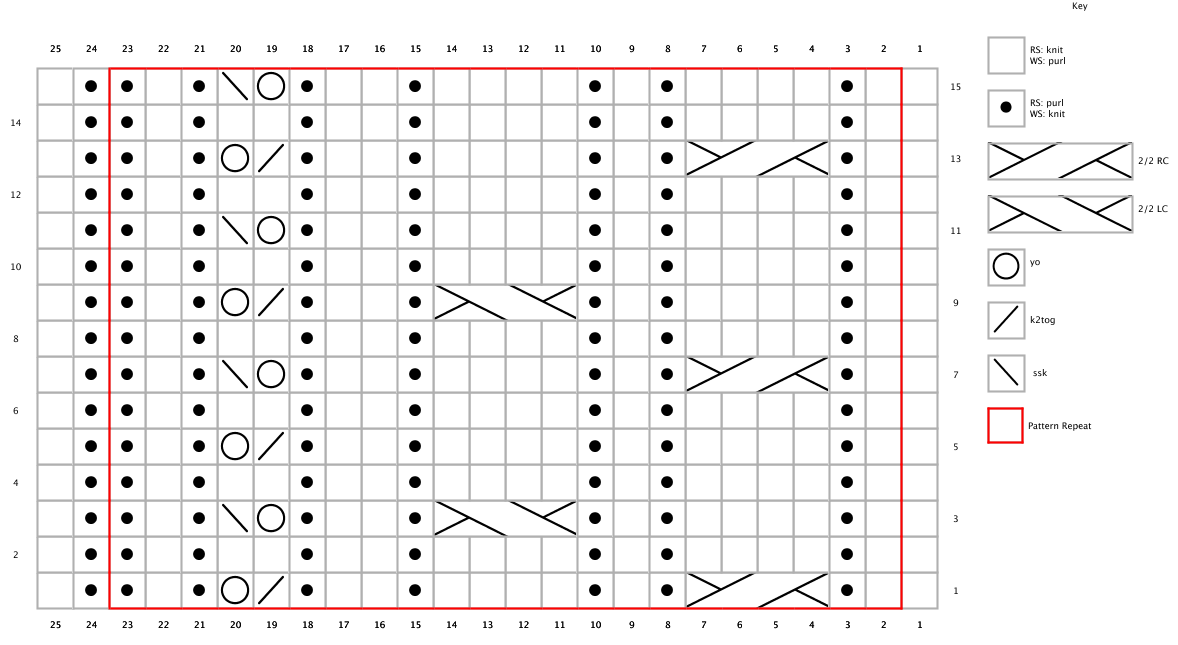
how to read a knitting chart Hey Lucy

How to read a knitting charts Everything a beginner needs to know
Web There Are Many Knitting Symbols That You May Encounter As You Work Through Charted Patterns.
Knitting Instructions And Symbols Explained, And Useful Stitch Pattern Examples.
We’ll Start With A Simple Chart Shown In The Photo Below (It Comes From Issue 54 Of “Filati Handknitting” Magazine).
Charts Can Make Even The Most Complicated Stitches Manageable For Beginners!
Related Post: