
Horse Showmanship Patterns
Horse Showmanship Patterns - Every horse should be easy to handle, work effortlessly off his handler’s cues, allow others to approach and move around. Be ready at cone a. How to practice a pattern at home; Web showmanship beginner and 13 & under b a judge 1. Follow these tips for maneuvering the patterns during a class. These basics are leading at a walk, leading at a jog/trot, stopping, backing, setting up for inspection, and pivoting. Web learn from three top competitors as you and your horse prepare for challenges of patterns and the showmanship class. Showmanship is often called a dance between the horse and its exhibitor. Back up one horse length. The many maneuvers judges can call for in a showmanship pattern; Web common showmanship movements include leading at a walk and trot, stopping, backing, pivoting on the haunches, and setting up for inspection. The backup should be fluid and smooth, moving off the handler’s body. Web we’ve put together five unwritten rules of showmanship to keep in mind the next time you are standing at the cone. At bottom of arc walk straight to judge. Showmanship jr., five & under patterns 1 and 2 intermediate patterns 1 and 2 senior patterns 1 and 2. “i want to impress upon readers that it’s the most important maneuver, and it’s a. Plan to spend five to six weeks on this lesson. Showmanship is a demonstration of the member’s ability to show the animal, in hand, to its best advantage. Web this lesson includes backing, left pull turns, and some pattern work as we begin your preparation for competition. Use bands that are contrasting in color to your horse’s mane if your bands are not straight. Use bands that are contrasting in color to your horse’s mane if your bands are not straight. Web most showmanship classes in the united states use western style horses, clothing and equipment; If you did your homework correctly,. Always check the pattern against the project assessment checklist found in horse project books to make sure it meets your expectations. Before. As a premium member of horseshowpatterns.com you can select, customize and print patterns for showmanship, horsemanship, hunt seat equitation, trail, and hunter hack. Web southern district iii horse and pony show example patterns. However, english styles are also seen, depending on the breed of horse. Web showmanship beginner and 13 & under b a judge 1. Web whether you are. Web we’ve put together five unwritten rules of showmanship to keep in mind the next time you are standing at the cone. How to streamline your routine for quickness and accuracy; How to practice a pattern at home; Web showmanship beginner and 13 & under b a judge 1. Click on the graphic to enlarge the pattern (hopefully none are. Before your class, close your eyes and visualize you and your. Attire may be western or english. Web at its core, showmanship consists of six basic maneuvers that are combined in various orders and degrees of difficulty to form a pattern. Web attention to detail is critical when you’re competing in showmanship. Web showmanship beginner and 13 & under b. Showmanship is a demonstration of the member’s ability to show the animal, in hand, to its best advantage. Web the purpose of showmanship is to teach courtesy, good grooming, poise, confidence, and how to fit, train, and handle your horse. How to streamline your routine for quickness and accuracy; Always check the pattern against the project assessment checklist found in. If you did your homework correctly,. Contestants should utilize the arena space to best exhibit their horses. Here i’ll offer some advice and share different exercises you can practice with your horse to improve your score. Every horse should be easy to handle, work effortlessly off his handler’s cues, allow others to approach and move around. Web how to attain. Backing is used in many patterns, especially intermediate and advanced patterns. Attire may be western or english. Before your class, close your eyes and visualize you and your. These basics are leading at a walk, leading at a jog/trot, stopping, backing, setting up for inspection, and pivoting. Style the mane by banding, braiding or roaching it. Here i’ll offer some advice and share different exercises you can practice with your horse to improve your score. Use of these patterns is not required. Contestants should utilize the arena space to best exhibit their horses. Backing is used in many patterns, especially intermediate and advanced patterns. It has to have a rhythm, a flow, a cadence to make. “i want to impress upon readers that it’s the most important maneuver, and it’s a. Trot to and around cone b in an arc. Web learn from three top competitors as you and your horse prepare for challenges of patterns and the showmanship class. Use bands that are contrasting in color to your horse’s mane if your bands are not. In some breed and open competitions, both english and western handlers may appear in. Web attention to detail is critical when you’re competing in showmanship. Showmanship is a demonstration of the member’s ability to show the animal, in hand, to its best advantage. At bottom of arc walk straight to judge. The drawn description of this pattern is only intended. The backup should be fluid and smooth, moving off the handler’s body. At bottom of arc walk straight to judge. Trot to and around cone b in an arc. Follow these tips for maneuvering the patterns during a class. And more tips for gaining an edge on other showmanship competitors Be ready at cone a. Back up one horse length. Every horse should be easy to handle, work effortlessly off his handler’s cues, allow others to approach and move around. Web the purpose of showmanship is to teach courtesy, good grooming, poise, confidence, and how to fit, train, and handle your horse. Web common showmanship movements include leading at a walk and trot, stopping, backing, pivoting on the haunches, and setting up for inspection. The many maneuvers judges can call for in a showmanship pattern; Attire may be western or english. Don’t change your game plan just because someone else does the pattern differently than what you had planned. It has to have a rhythm, a flow, a cadence to make it look effortless. Web this lesson includes backing, left pull turns, and some pattern work as we begin your preparation for competition. Showmanship jr., five & under patterns 1 and 2 intermediate patterns 1 and 2 senior patterns 1 and 2.
2013 AQHA Novice Championships Showmanship Pattern Horsemanship

Practice this AQHA Novice Championship Show showmanship pattern at home

Showmanship Horse Show Pattern. Checkout the Level 1 Championship Show

Showmanship Practice Patterns
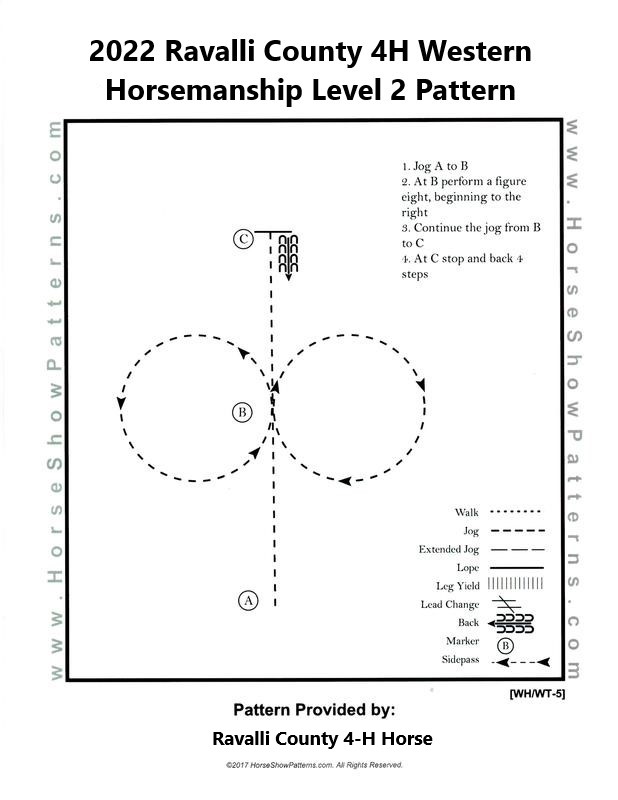
4H Western Horsemanship Level 2 Patterns Ravalli County Extension

Horse show patterns Horsemanship prelim pattern for the 2016 Ford

Horsemanship Horsemanship patterns, Showmanship patterns, Horse exercises

Horsemanship pattern Horsemanship patterns, Showmanship patterns

Horsemanship dixie nationals Horsemanship patterns, Horse pattern
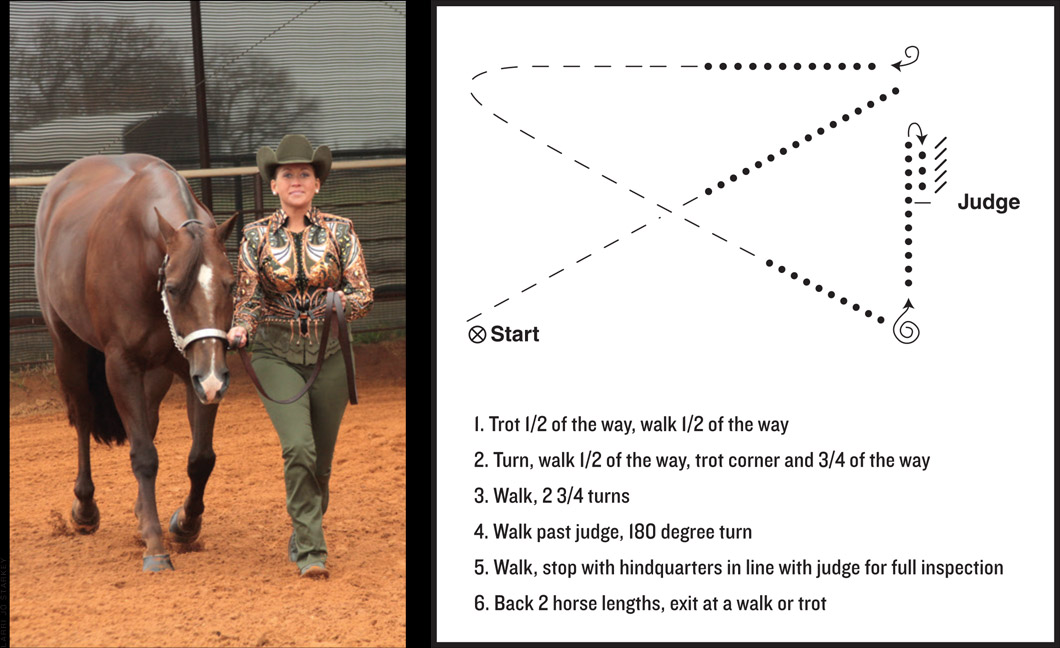
Robin Frid Ride the Pattern Showmanship
Backing Is Used In Many Patterns, Especially Intermediate And Advanced Patterns.
Web At Its Core, Showmanship Consists Of Six Basic Maneuvers That Are Combined In Various Orders And Degrees Of Difficulty To Form A Pattern.
Showmanship Is A Demonstration Of The Member’s Ability To Show The Animal, In Hand, To Its Best Advantage.
Before Your Class, Close Your Eyes And Visualize You And Your.
Related Post: