
Holding Pattern Procedures
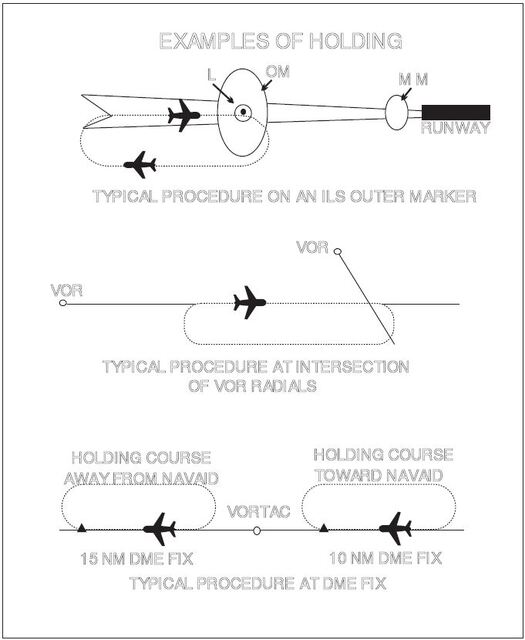
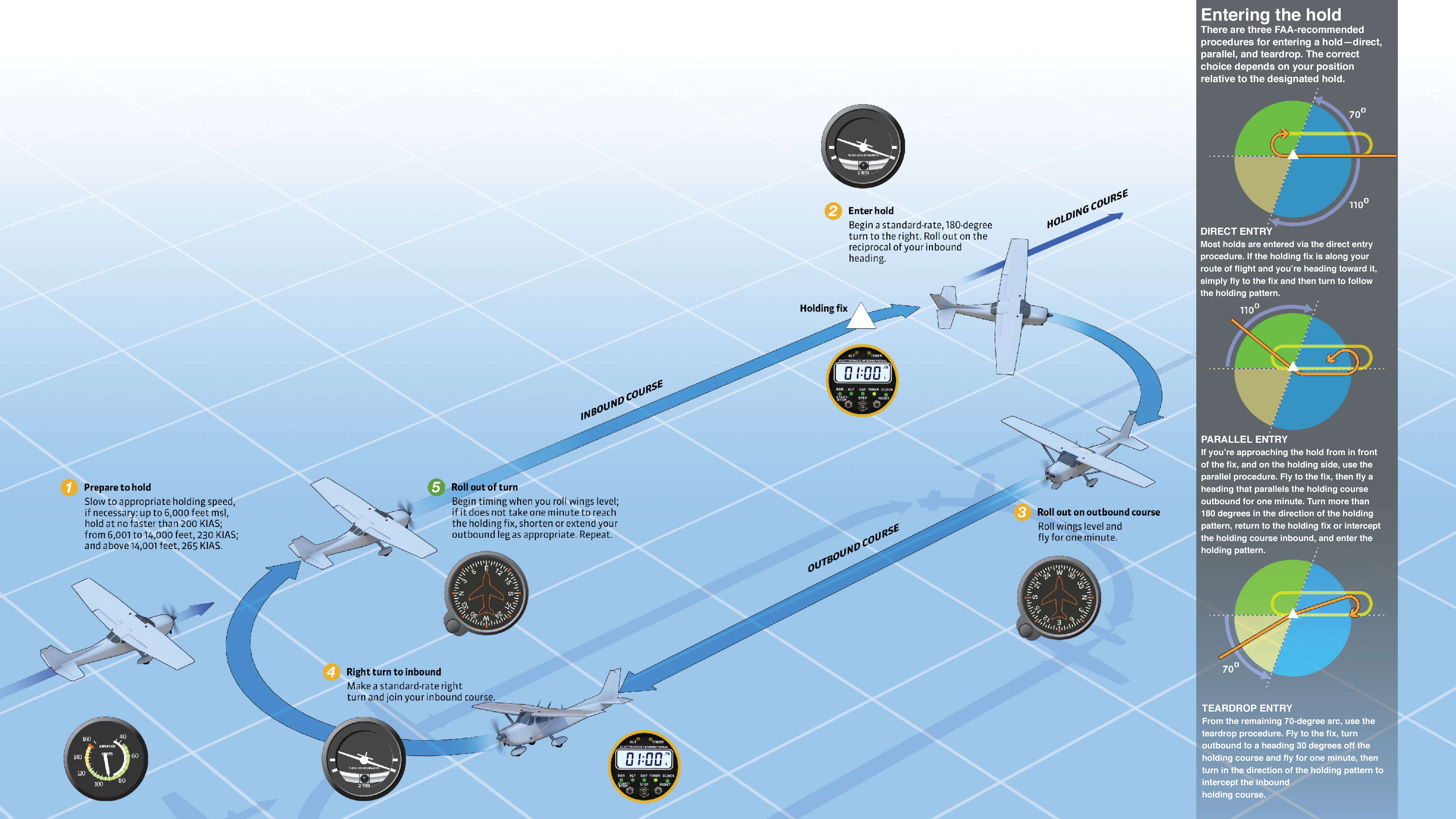
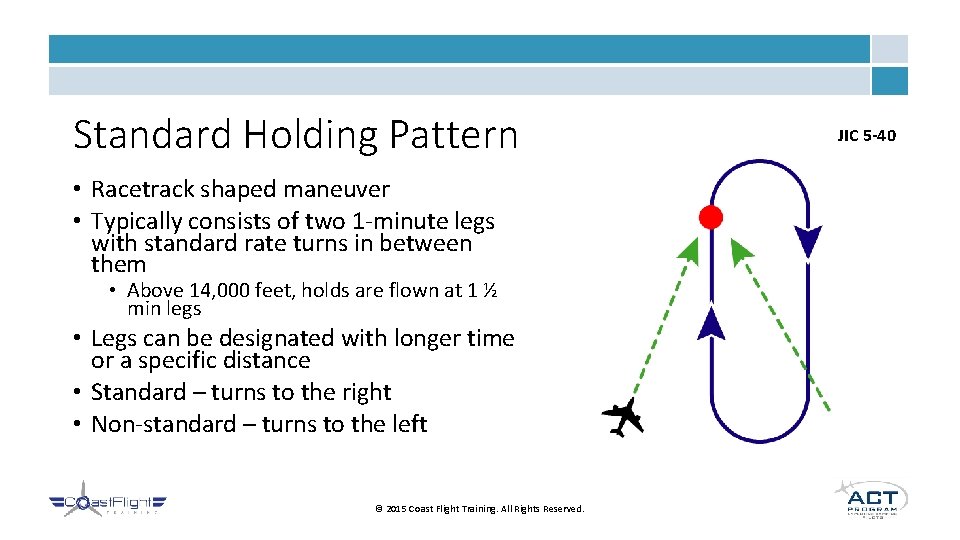
Holding Pattern Procedures - The holding instructions will include: There are two main types of holding patterns: Web patterns at the most generally used holding fixes are charted on low or high altitude en route, area, departure procedure, and arrival charts. When atc issues a clearance requiring you to hold at a fix where a holding pattern is not charted, pilots are issued complete holding instructions. Web holding procedures | ifr flight | learn to fly. Web sector 1 procedure / parallel entry: Web generate a holding instruction. Web understanding holding pattern entries is crucial for any pilot flying under instrument conditions or preparing for an instrument check ride. Upon reaching the fix, turn onto the outbound heading of the holding pattern for the appropriate period of time; Press reveal entry button and verify if you've picked a correct one. Web one of the most challenging parts of holding is determining the correct hold entry on the fly. Web a holding pattern in lieu of procedure turn may be specified for course reversal in some procedures. Once turned inbound, generate new holding instructions, and perform an entry into the new holding pattern right after completing the inbound leg. A holding pattern consists of four parts: Web holds denote a racetrack pattern of flight designed to keep the aircraft relatively stationary over a navigation fix (usually a vor, ndb, or a dme point on a vor radial). Depending upon traffic and weather conditions, holding may be required. In this blog post, we will discuss a useful technique for visualizing the correct holding pattern entry using your thumb and your heading indicator. A standard pattern turns are to. Web holding can be used as a substitute for a procedure turn outside an instrument approach’s final approach fix. This demonstration simulates a holding pattern entry situation by indicating the course of the aircraft, the radial specified to hold on, and whether or not a left turn is instructed by air traffic control (atc). While the faa recommends specific entry procedures, they are not mandatory. In this blog post, we will discuss a useful technique for visualizing the correct holding pattern entry using your thumb and your heading indicator. Web practice choosing the right holding pattern entry, that is, direct, teardrop, or parallel. Web entry procedures [ edit] inbound and outbound leg. Web a. Web draw the holding pattern. Turn left to intercept the inbound track or to return directly to the fix The entry to a holding pattern is often the hardest part for a novice pilot to grasp, and determining and executing the proper entry while simultaneously controlling the aircraft, navigating and communicating with atc requires practice. Web holding procedures | ifr. Web holding can be used as a substitute for a procedure turn outside an instrument approach’s final approach fix. Web one of the most challenging parts of holding is determining the correct hold entry on the fly. Once turned inbound, generate new holding instructions, and perform an entry into the new holding pattern right after completing the inbound leg. Sector. A holding pattern consists of four parts: Web understanding holding pattern entries is crucial for any pilot flying under instrument conditions or preparing for an instrument check ride. Web patterns at the most generally used holding fixes are charted on low or high altitude en route, area, departure procedure, and arrival charts. Holding is a predetermined maneuver that keeps aircraft. Consider operational factors such as length of delay, holding airspace limitations, navigational aids, altitude, meteorological conditions when necessary to clear an aircraft to a fix other than the destination airport. Turn left to intercept the inbound track or to return directly to the fix Upon reaching the fix, turn onto the outbound heading of the holding pattern for the appropriate. Web holds denote a racetrack pattern of flight designed to keep the aircraft relatively stationary over a navigation fix (usually a vor, ndb, or a dme point on a vor radial). Consider operational factors such as length of delay, holding airspace limitations, navigational aids, altitude, meteorological conditions when necessary to clear an aircraft to a fix other than the destination. Web entry procedures [ edit] inbound and outbound leg. Depending upon traffic and weather conditions, holding may be required. Web sector 1 procedure / parallel entry: Sector 1 procedures (parallel entry): A standard pattern turns are to. Consider operational factors such as length of delay, holding airspace limitations, navigational aids, altitude, meteorological conditions when necessary to clear an aircraft to a fix other than the destination airport. Sector 2 procedure / offset entry: A standard pattern turns are to. Web patterns at the most generally used holding fixes are charted on low or high altitude en route,. In this blog post, we will discuss a useful technique for visualizing the correct holding pattern entry using your thumb and your heading indicator. Depending upon traffic and weather conditions, holding may be required. Web generate a holding instruction. The entry to a holding pattern is often the hardest part for a novice pilot to grasp, and determining and executing. A quick look at the approach plate’s holding pattern. Depending upon traffic and weather conditions, holding may be required. While the faa recommends specific entry procedures, they are not mandatory. The holding instructions will include: Web a holding pattern in lieu of procedure turn may be specified for course reversal in some procedures. They are used to keep an aircraft in protected airspace while delaying its arrival at a later point along its route. Web understanding holding pattern entries is crucial for any pilot flying under instrument conditions or preparing for an instrument check ride. Depending upon traffic and weather conditions, holding may be required. But first, let's review the three types of hold entries to set you up for the perfect holding pattern. Web a holding procedure is a predetermined manoeuvre which keeps an aircraft under instrument flight rules (ifr) within a specified airspace while awaiting further clearance. Fortunately, we have two tips you can use to make it easier. 3 types of holding patterns. Web holds denote a racetrack pattern of flight designed to keep the aircraft relatively stationary over a navigation fix (usually a vor, ndb, or a dme point on a vor radial). Holds are fundamental to ifr training and provide an excellent. Web become an expert at flying holding patterns with this quick and simple guide. Once you have the fix and course, mentally or physically draw a picture of the holding pattern. A holding pattern consists of four parts: Overhead the fix, turn shortest way to parallel the holding track. A standard pattern turns are to. While the faa recommends specific entry procedures, they are not mandatory. The first orbit is the entry orbit, which expeditiously establishes the aircraft inbound on the holding courses.
FSX Tutorial Holding Pattern Entry YouTube
How to Fly in a Holding Pattern Pilot Institute

Holding Patterns easypilot

Memorize Holding Pattern Entries for Good YouTube
Technique Instrument holds AOPA

HOLDING PROCEDURES. HOLDING ENTRIES by Nikolaj Vinicoff Medium

Holding pattern entries The CBIR series

Holding Pattern and Procedure Turns Tutorial (MSFS) Part 2 of 2 YouTube
Holding Procedures Overview What is a Hold Holding

IP14 Holding Procedures .Instrument Ground School 2015 Holding
Web Hold Entry Procedures For A Standard Holding Pattern.
This Is Called A Hold In Lieu Of Procedure Turn, Abbreviated Hilpt.
The Holding Procedure Has A Holding Fix Which Is A Geographical Location That Serves As A.
Consider Operational Factors Such As Length Of Delay, Holding Airspace Limitations, Navigational Aids, Altitude, Meteorological Conditions When Necessary To Clear An Aircraft To A Fix Other Than The Destination Airport.
Related Post: