
German Camo Pattern
German Camo Pattern - The ww1 german lozenge patterns are some of the most interesting and distinctive camouflage schemes ever devised and it always seemed strange to me that there were so many different interpretations of the colors. Between 1931 and 1945, the germans created at least 14 different patterns and produced many of them in two or more colour variants. The first pattern, however, splittertarnmuster (splinter camouflage pattern), was designed in 1931 and was. The first pattern, splittertarnmuster (splinter camouflage pattern), was designed in 1931 and was initially intended. Web german army uniform camouflage patterns (comprehensive guide)support: Web we break down the most historically significant military camo patterns of the last 100 years and how designers use them today. Web german world war ii camouflage patterns formed a family of disruptively patterned military camouflage designs for clothing, used and in the main designed during the second world war. Starting from 1932, all units received some camouflaged items. A french pattern, reputedly dating to 1935, also incorporated splintered elements, but lacking the rain strait theme. This pattern is designed to provide effective concealment in temperate woodland terrains. The first pattern, splittertarnmuster (splinter camouflage pattern), was designed in 1931 and was initially intended for zeltbahn shelter halves. Web east german camouflage patterns. Starting from 1932, all units received some camouflaged items. Web german world war ii camouflage patterns formed a family of disruptively patterned military camouflage designs for clothing, used and in the main designed during the second world war. The camouflage patterns described below mainly apply to armored vehicles. The first pattern, splittertarnmuster, was designed in 1931 and was initially intended for zeltbahn shelter halves. The first pattern, however, splittertarnmuster (splinter camouflage pattern), was designed in 1931 and was. Vehicle base colours were permanently applied at the factory, and factories were the first to implement any base colour changes. Web german 5 color lozenge camouflage scheme by mark miller. The lightweight fabric and distinctively soviet style were discarded in later east german designs. During the 1950s and 1960s primarily, germany produced several variations of the ww2 era splittermuster designs. Web german army uniform camouflage patterns (comprehensive guide)support: The first pattern, splittertarnmuster, was designed in 1931 and was initially intended for zeltbahn shelter halves. Web the two original covers used for our patterns. Web the original ww2 german splinter camouflage patterns are seen here. German camouflage is one of the most popular categories of militaria both in the collector market as well as among reenactors/ living historians. Camouflage patterns of the wehrmacht were regulated by army communiqués (heeresmitteilung) issued throughout the war. Web we break down the most historically significant military camo patterns of the last 100 years and how designers use them today.. Web both before and during the second world war, german armor camouflage went through a series of changes. The first pattern, splittertarnmuster, was designed in 1931 and was initially intended for zeltbahn shelter halves. Web the original ww2 german splinter camouflage patterns are seen here. Camouflage patterns of the wehrmacht were regulated by army communiqués (heeresmitteilung) issued throughout the war.. The first pattern, splittertarnmuster, was designed in 1931 and was initially intended for zeltbahn shelter halves. Web both before and during the second world war, german armor camouflage went through a series of changes. The pattern’s unique use of spots eliminates hard boundaries between its various colours, making it extremely effective in temperate woodland terrain. Between 1931 and 1945, the. Web the german armed forces (wehrmacht) were the first military to issue camouflage widely. Web german world war ii camouflage patterns formed a family of disruptively patterned military camouflage designs for clothing, used and in the main designed during the second world war. Textile patterns for uniforms have multiple functions, including camouflage, identifying friend from foe, and esprit de corps.. Web german world war ii camouflage patterns formed a family of disruptively patterned military camouflage designs for clothing, used and in the main designed during the second world war. Vehicle base colours were permanently applied at the factory, and factories were the first to implement any base colour changes. During the 1950s and 1960s primarily, germany produced several variations of. The pattern’s unique use of spots eliminates hard boundaries between its various colours, making it extremely effective in temperate woodland terrain. The ww1 german lozenge patterns are some of the most interesting and distinctive camouflage schemes ever devised and it always seemed strange to me that there were so many different interpretations of the colors. The first pattern, splittertarnmuster (splinter. Web we break down the most historically significant military camo patterns of the last 100 years and how designers use them today. The first pattern, splittertarnmuster (splinter camouflage pattern), was designed in 1931 and was initially intended for zeltbahn shelter halves. Web both before and during the second world war, german armor camouflage went through a series of changes. The. Vehicle base colours were permanently applied at the factory, and factories were the first to implement any base colour changes. Web the german armed forces (wehrmacht) were the first military to issue camouflage widely. Web the original ww2 german splinter camouflage patterns are seen here. Web german army uniform camouflage patterns (comprehensive guide)support: The first pattern, splittertarnmuster (splinter camouflage pattern),. Camouflage patterns of the wehrmacht were regulated by army communiqués (heeresmitteilung) issued throughout the war. Web military camouflage is the use of camouflage by armed forces to protect personnel and equipment from observation by enemy forces. Web german world war ii camouflage patterns formed a family of disruptively patterned military camouflage designs for clothing, used and in the main designed. Web we break down the most historically significant military camo patterns of the last 100 years and how designers use them today. Web military camouflage is the use of camouflage by armed forces to protect personnel and equipment from observation by enemy forces. The first pattern, however, splittertarnmuster (splinter camouflage pattern), was designed in 1931 and was. The first pattern, splittertarnmuster (splinter camouflage pattern), was designed in 1931 and was initially intended. Web the original ww2 german splinter camouflage patterns are seen here. Web both before and during the second world war, german armor camouflage went through a series of changes. The first pattern, splittertarnmuster (splinter camouflage pattern), was designed in 1931 and was initially intended for zeltbahn shelter halves. Web german 5 color lozenge camouflage scheme by mark miller. Web german world war ii camouflage patterns formed a family of disruptively patterned military camouflage designs for clothing, used and in the main designed during the second world war. The lightweight fabric and distinctively soviet style were discarded in later east german designs. Starting from 1932, all units received some camouflaged items. If you’re collecting realistic military reproductions, field gear, or uniforms for the purposes of reenactment, it’s helpful to be familiar with some of. During the 1950s and 1960s primarily, germany produced several variations of the ww2 era splittermuster designs. The ww1 german lozenge patterns are some of the most interesting and distinctive camouflage schemes ever devised and it always seemed strange to me that there were so many different interpretations of the colors. Vehicle base colours were permanently applied at the factory, and factories were the first to implement any base colour changes. Web german world war ii camouflage patterns formed a family of disruptively patterned military camouflage designs for clothing, used and in the main designed during the second world war.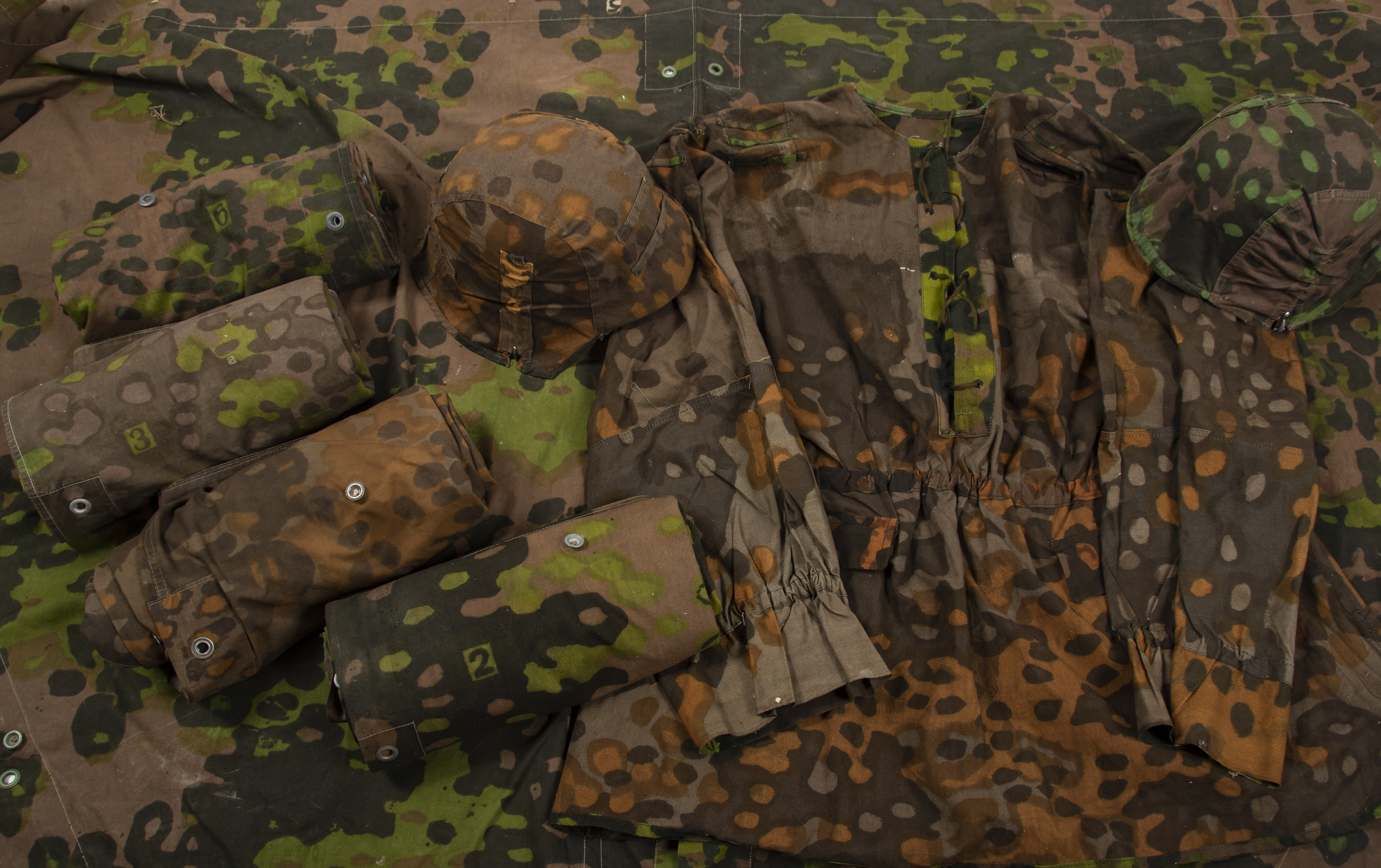
german camouflage patterns ww2 lineartdrawingsplantsface

german camouflage patterns ww2 lineartdrawingsplantsface
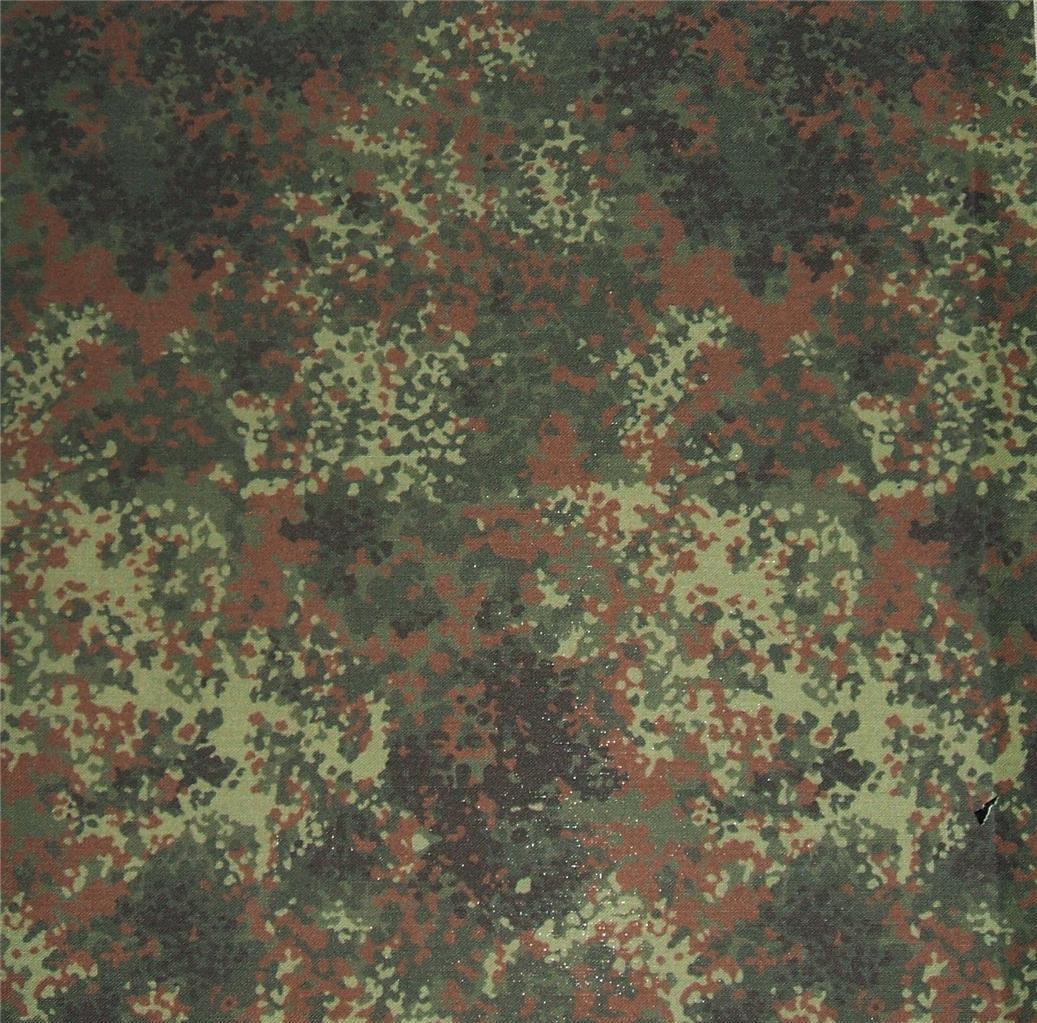
Flecktarn or “spotted camouflage”; is the German...
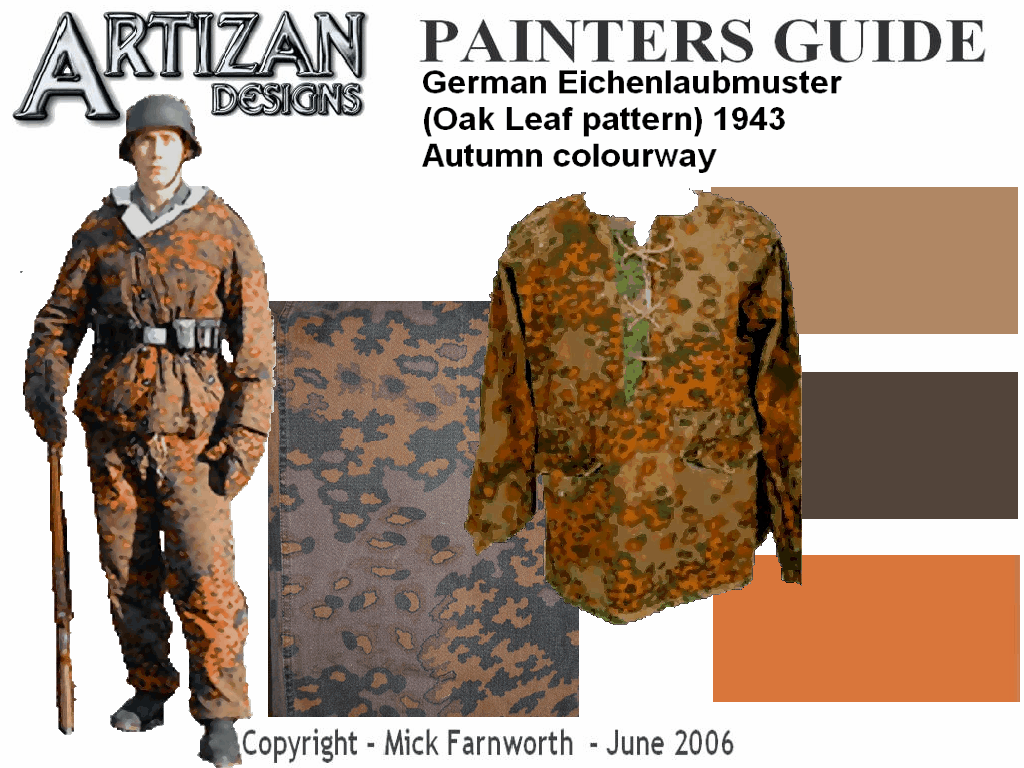
Artizan Designs' WWII Painting & Camo Guide

GermanMultitarnCamo Camo patterns, Camo, Camouflage pattern design
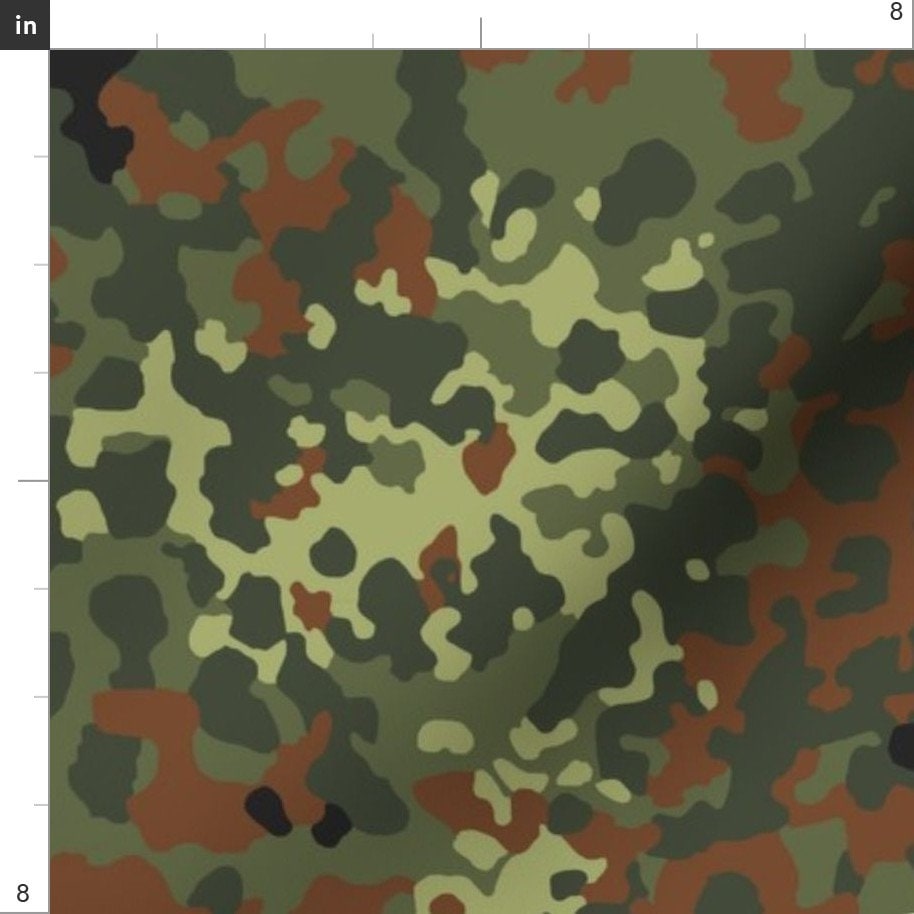
German Camo Fabric Camo by Ricraynor German Camouflage Etsy UK
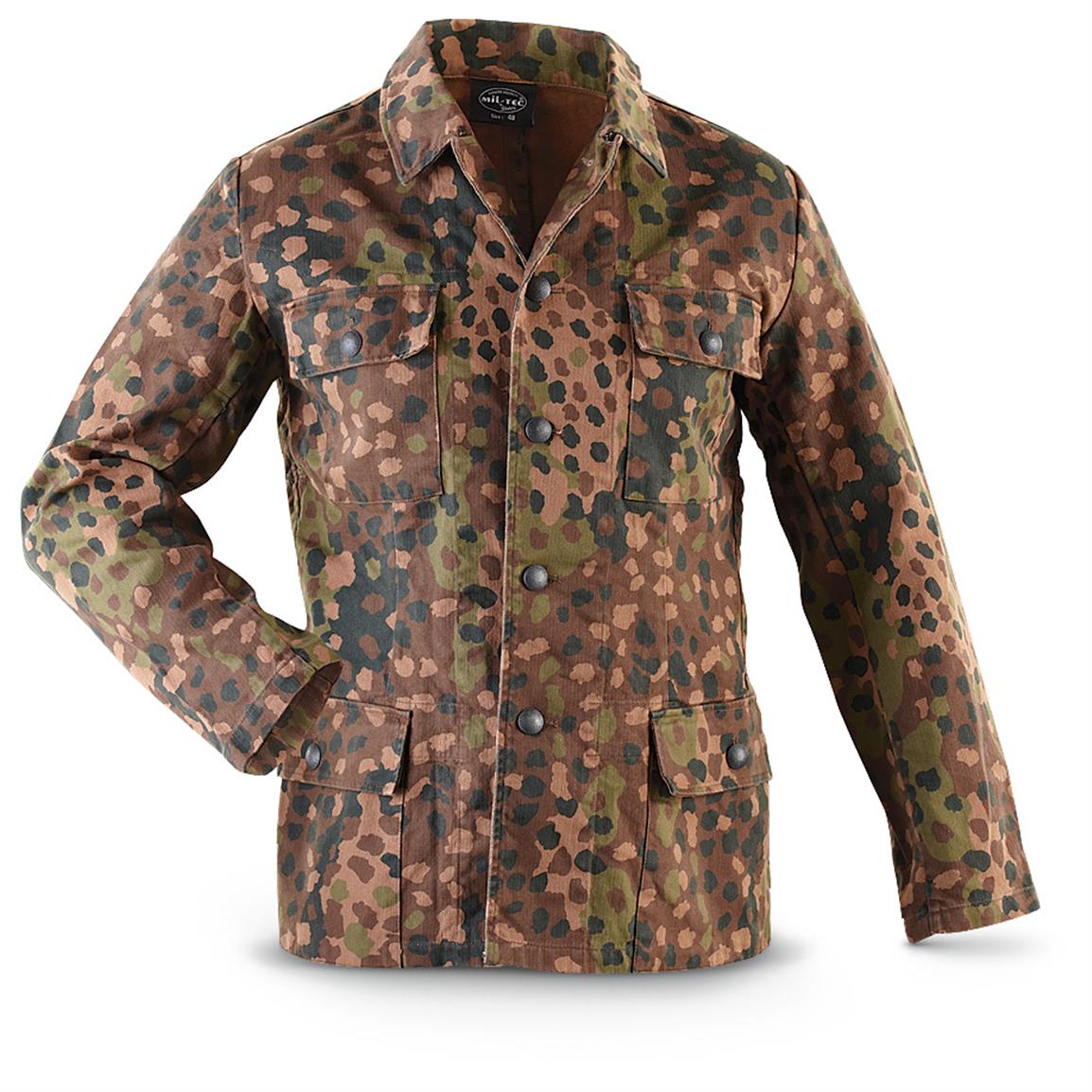
German Wwii Camo Patterns

Premium Vector German Flecktarn Military Camouflage Seamless Pattern
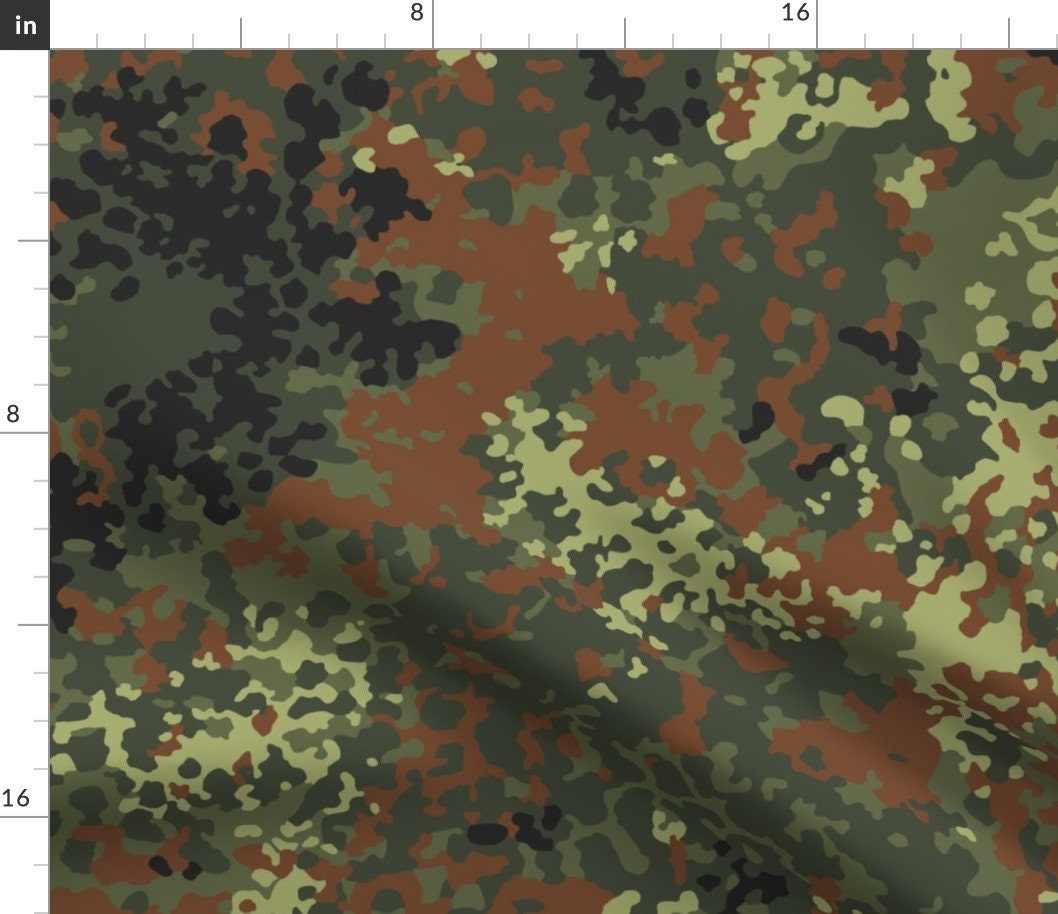
German Camo Fabric Camo by Ricraynor German Camouflage Etsy UK

German Flecktarn Camouflage Patterns Graphic Patterns Creative Market
Camouflage Patterns Of The Wehrmacht Were Regulated By Army Communiqués (Heeresmitteilung) Issued Throughout The War.
Textile Patterns For Uniforms Have Multiple Functions, Including Camouflage, Identifying Friend From Foe, And Esprit De Corps.
Web German World War Ii Camouflage Patterns Formed A Family Of Disruptively Patterned Military Camouflage Designs For Clothing, Used And In The Main Designed During The Second World War.
This Pattern Is Designed To Provide Effective Concealment In Temperate Woodland Terrains.
Related Post: