
Brick Pattern Tile Layout
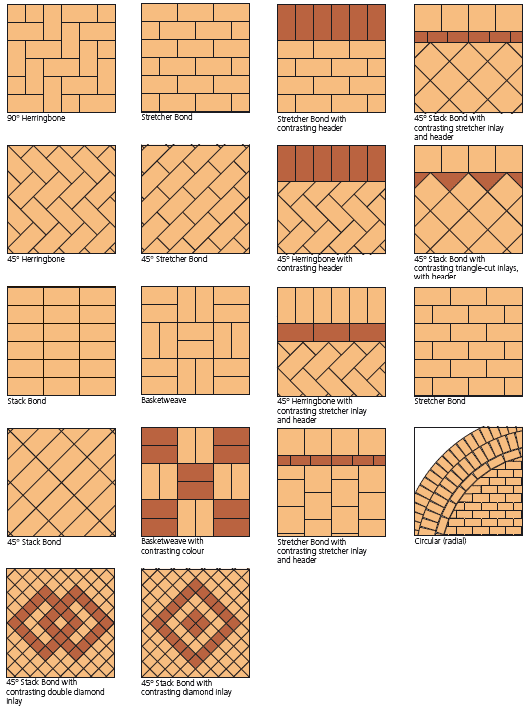
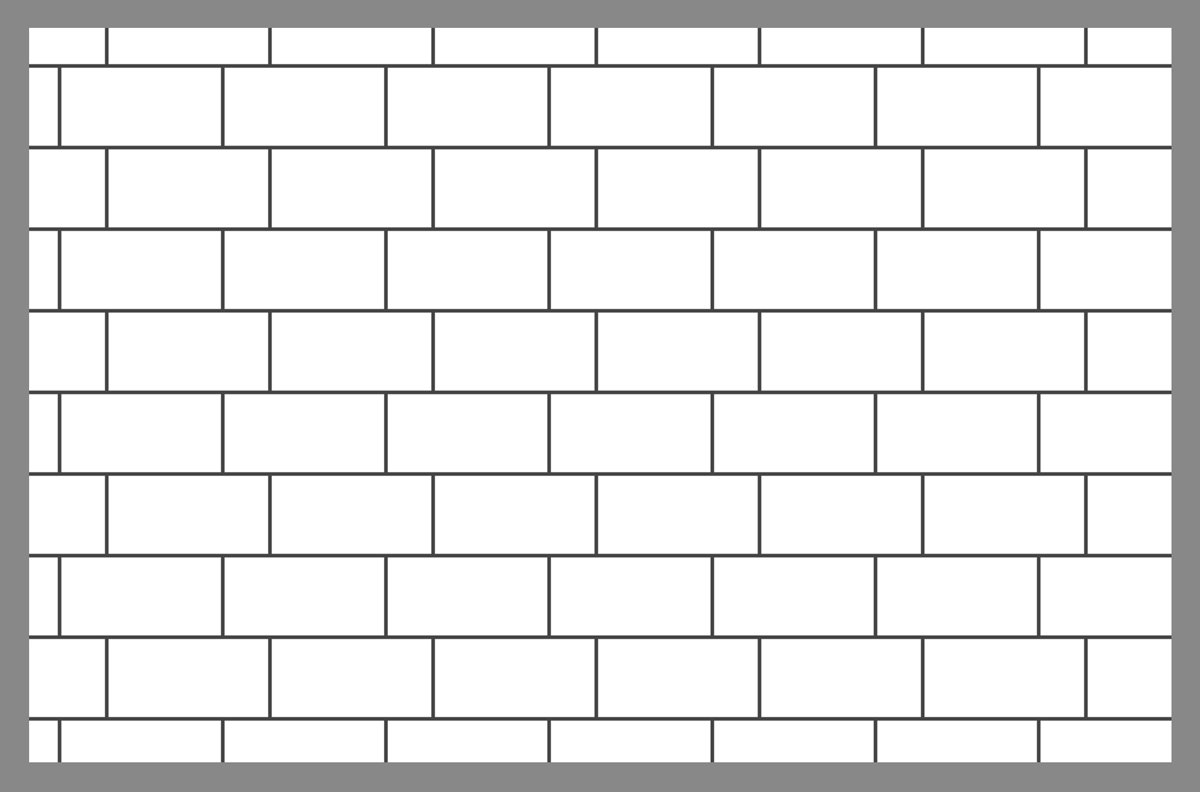
Brick Pattern Tile Layout - The staggered brick pattern adds a touch of personality and can make your space appear larger. The substrate works in conjunction with a membrane of some type. Web your laying pattern can make a huge difference to the effect of your tiles. Even the staggered (also called offset or running bond) brickwork design can be varied: Web tiles in a brick bond or stretcher bond pattern are laid out in rows whereby each row offsets half a tile length from the row on either side of it. Web discover our guide to wall & floor tile pattern layouts. The simple enhancement of offsetting stacked tiles by 50% gives your design a more appealing look and can hide any imperfections in the installation. I explain how to measure cut and install tiles for internal and external corners in a brick pattern. Web if you're wondering about brick looks for your home, you'll enjoy learning how to design with brick porcelain tile. Web pictures of popular tile patterns & layouts including design ideas. Take inspiration from our example patterns for indoor and outdoor tiling projects. Follow these easy steps to achieve your desired look. Download our helpful pdfs for diy installation and tile pattern preferences. Another highly popular pattern, and actually the classic layout for subway tile is the brick pattern. Even the staggered (also called offset or running bond) brickwork design can be varied: Just picture how bricks are laid in a wall and you’ve got it. Web create walls and backsplashes that become a dramatic and beautiful backdrop in any room. Also called the offset pattern or the running bond, tiles are again laid in rows, but this time with an offset of either 50/50, 40/60 or 30/70. Select a substrate and membrane. It’s a timeless layout that can work for any rectangular tile, making it a great option for virtually any space. Web your laying pattern can make a huge difference to the effect of your tiles. Just picture how bricks are laid in a wall and you’ve got it. If you want to add some visual interest to your floor, consider the staggered brick pattern. This pattern is timeless, and the resulting horizontal lines can visually widen a room to great. Another highly popular pattern, and actually the classic layout for subway tile is the brick pattern. Web discover our guide to wall & floor tile pattern layouts. Patterns include straight lay, diagonal, brick, pinwheel, basketweave, herringbone and more. One third offset or half offset, as shown here. Substrate is the material that supports the tile, whether in a vertical or. Web in this video i run you through how to install new tiles to create a kitchen splashback. This pattern is the perfect way to add flair without taking away attention from a. There’s a reason why one half offset brick is one of the most traditional looks. I explain how to measure cut and install tiles for internal and. Also called the offset pattern or the running bond, tiles are again laid in rows, but this time with an offset of either 50/50, 40/60 or 30/70. The classic brick layout works well. Web how to lay tile in brick pattern. Measure the length of the area you want to tile. From herringbone to half brick bonds, decide the pattern. Another highly popular pattern, and actually the classic layout for subway tile is the brick pattern. These patterns are great in both small and large applications, as well as if you are placing a mosaic feature strip. One third offset or half offset, as shown here. With this pattern each row of tiles is offset from the last row, based. Download our helpful pdfs for diy installation and tile pattern preferences. Web if you're wondering about brick looks for your home, you'll enjoy learning how to design with brick porcelain tile. Chevron marble floor and wall tile. The simplest and the most common patterns to install are the brick pattern, the ¾ brick and the stacked. Web this one is. Web ceramic herringbone patterned floor and wall tile. It’s a timeless layout that can work for any rectangular tile, making it a great option for virtually any space. Web a simple subway tile idea offers plenty of opportunity for different tile layout patterns, from simple horizontal or vertical grids to complex basketweave designs. Web classic brick layout. Web in this. The staggered brick pattern adds a touch of personality and can make your space appear larger. From herringbone to half brick bonds, decide the pattern in which you choose to arrange your tiles Also called the offset pattern or the running bond, tiles are again laid in rows, but this time with an offset of either 50/50, 40/60 or 30/70.. If you want to add some visual interest to your floor, consider the staggered brick pattern. Web classic brick layout. With this pattern each row of tiles is offset from the last row, based on the length of the horizontal rectangle. Another highly popular pattern, and actually the classic layout for subway tile is the brick pattern. Web if you're. Take inspiration from our example patterns for indoor and outdoor tiling projects. One third offset or half offset, as shown here. Web browse photos of brick tile pattern on houzz and find the best brick tile pattern pictures & ideas. The classic brick layout works well. Even the staggered (also called offset or running bond) brickwork design can be varied: Create bold and graphic interest using black and white hues. Just picture how bricks are laid in a wall and you’ve got it. The simplest and the most common patterns to install are the brick pattern, the ¾ brick and the stacked. There’s a reason why one half offset brick is one of the most traditional looks. These patterns are great in both small and large applications, as well as if you are placing a mosaic feature strip. One third offset or half offset, as shown here. Web in this video i run you through how to install new tiles to create a kitchen splashback. The simple enhancement of offsetting stacked tiles by 50% gives your design a more appealing look and can hide any imperfections in the installation. Web this one is sometimes called “brick pattern” since it’s the most commonly used pattern in brickwork. Web your laying pattern can make a huge difference to the effect of your tiles. This is a layout most of us are familiar with: Measure the length of the area you want to tile. Web a simple subway tile idea offers plenty of opportunity for different tile layout patterns, from simple horizontal or vertical grids to complex basketweave designs. This pattern is timeless, and the resulting horizontal lines can visually widen a room to great effect, making the space feel bigger and more open. Also called the offset pattern or the running bond, tiles are again laid in rows, but this time with an offset of either 50/50, 40/60 or 30/70. Follow these easy steps to achieve your desired look.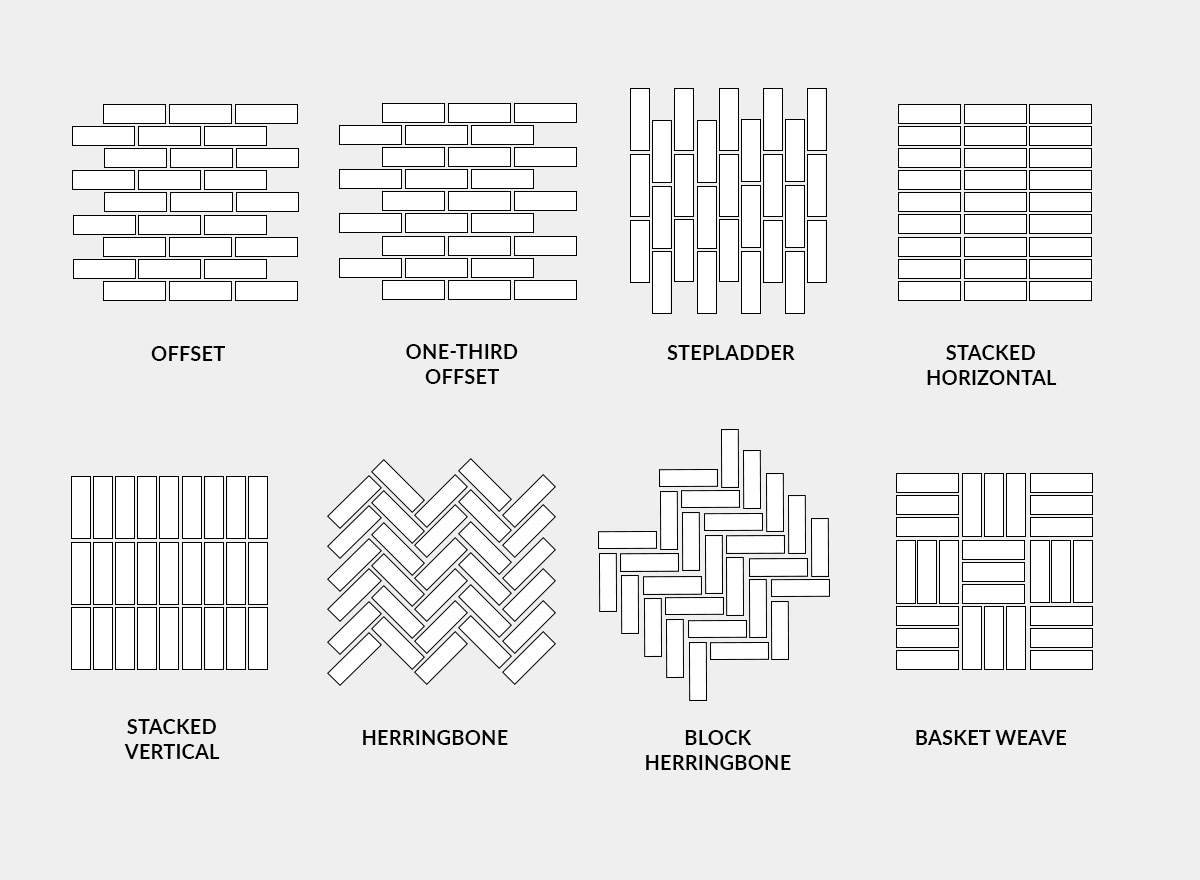
Tile Layout Patterns & Design Ideas Porcelanosa
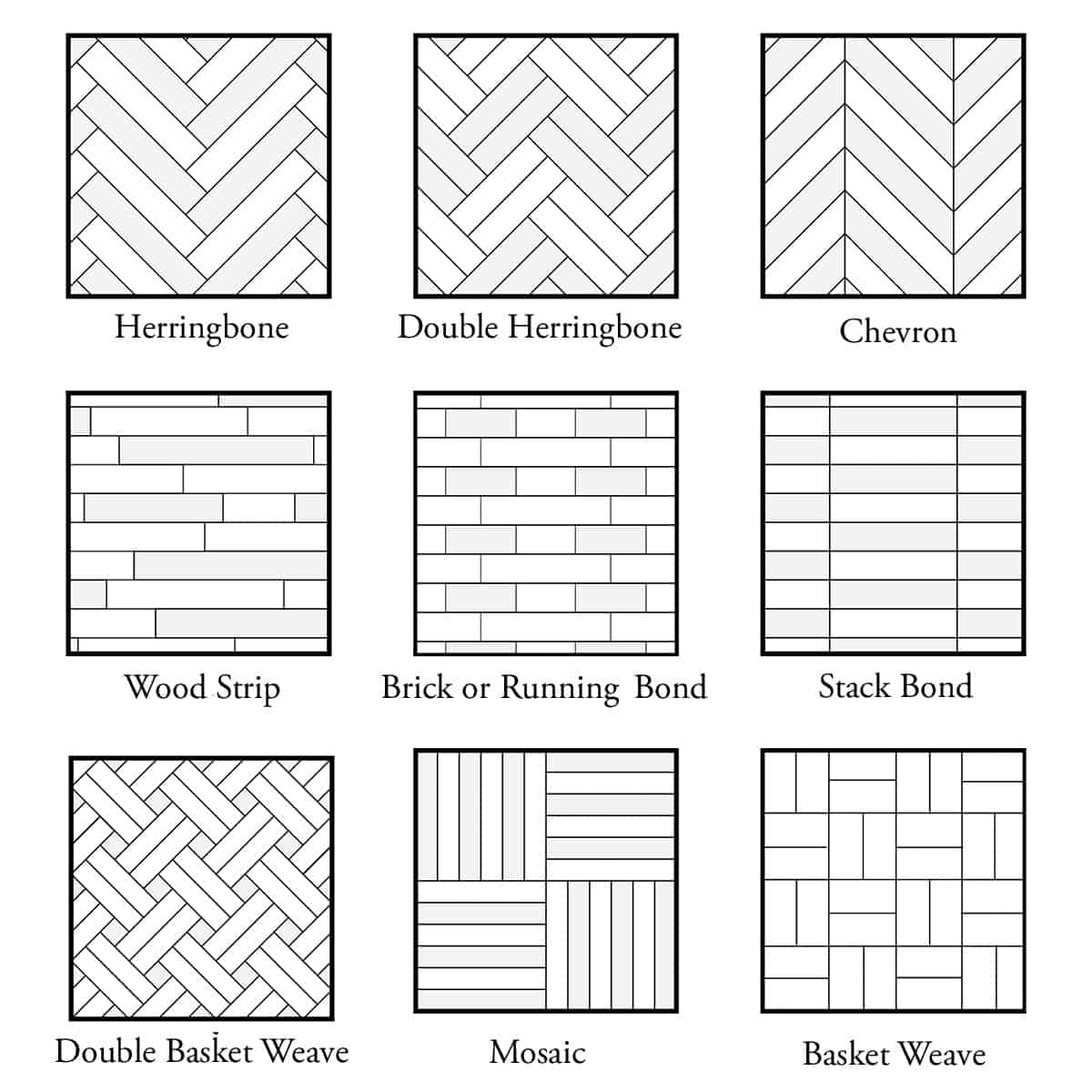
Bathroom Tile Layout Patterns Everything Bathroom

Brick Style Tile Pattern How to Transform Your Space with a Classic
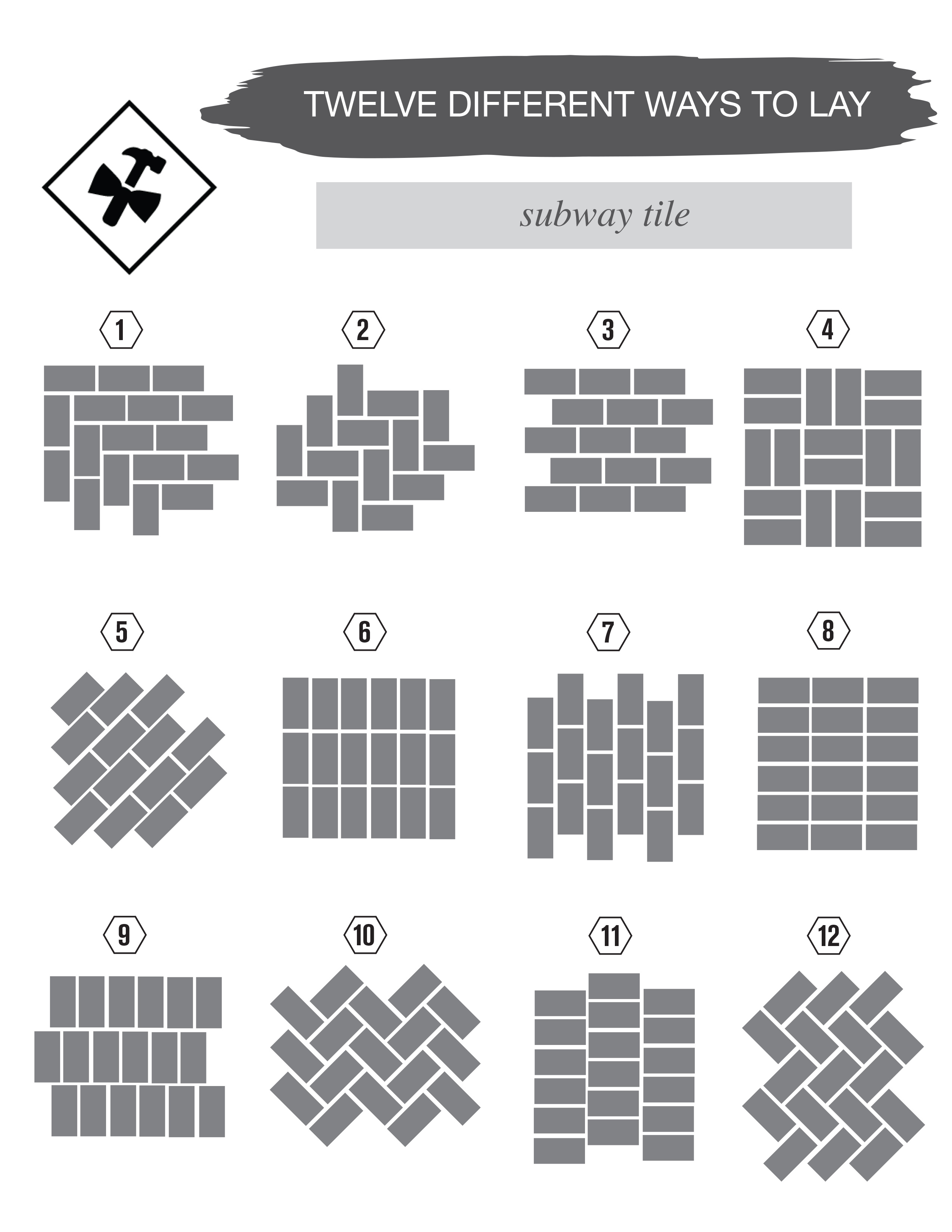
Types Of Tile Laying Patterns Brickwork is a tile pattern which
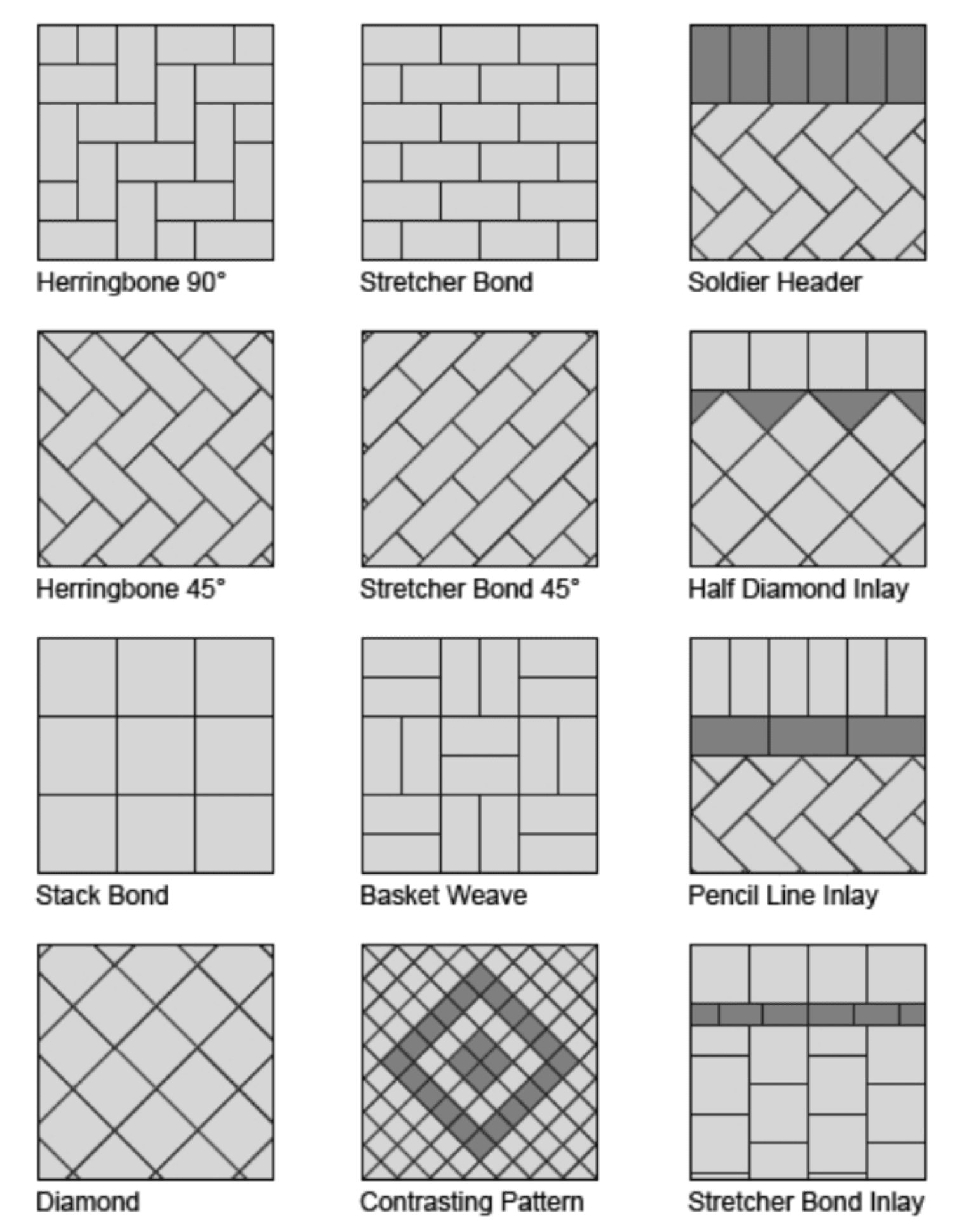
Brick Layout Examples Fundraising Brick
Nevada Trimpak installs brick flooring patterns backsplash tile design

Which Direction Should You Run Your Tile Flooring? Well... Patterned

Tiles Talk Subway Tile Design Ideas Perini Tiles Melbourne Subway

the clé tile pattern primer Brick tiles, Cle tile, Tile patterns
Tile and Paver Layout Patterns Inch Calculator
Web Classic Brick Layout.
Chevron Marble Floor And Wall Tile.
Learn How To Create Different Patterns Using Ordinary Or Distressed Subway Tiles.
It’s A Timeless Layout That Can Work For Any Rectangular Tile, Making It A Great Option For Virtually Any Space.
Related Post: