
Atrophic Pattern On Pap Smear
Atrophic Pattern On Pap Smear - Human papillomavirus (hpv) according to the centers for disease control and prevention (cdc), the human papillomavirus is a common virus that is transmitted through sexual activity. For many women, vaginal atrophy not only makes intercourse painful but also leads to distressing urinary symptoms. Web vaginal atrophy (atrophic vaginitis) is thinning, drying and inflammation of the vaginal walls that may occur when your body has less estrogen. A doctor has provided 1 answer. Web a pap smear (papanicolau smear; Web a healthcare provider can diagnose vaginal atrophy based on your symptoms and a pelvic exam to look at your vagina and cervix. Vaginal atrophy occurs most often after menopause. The hpv test looks for human papillomavirus (hpv). A shortened or narrowed vagina. Classic signs of atrophy during a pelvic exam include: It can be done along with a hpv test during a pelvic exam as part of cervical cancer screening for people with no symptoms. A shortened or narrowed vagina. Web laboratory diagnostic testing, including serum hormone levels and papanicolaou smear, can confirm the presence of urogenital atrophy (figures 2 and 3; The squamous cells of your cervix were slightly abnormal on your pap smear. Web one of the most common abnormal findings on a pap smear —a routine screening test for cervical cancer and any abnormal cell changes on the cervix that might lead to cervical cancer—is known as ascus. What does atrophic smear mean in pap result. Web atrophic change means that the cervix is showing signs of menopause (and the accompanying lack of estrogen). Web a healthcare provider can diagnose vaginal atrophy based on your symptoms and a pelvic exam to look at your vagina and cervix. Ascus is an acronym for atypical squamous cells of undetermined significance. In liquid based cytology, background of atrophic smear is cleaner. She stated that this meant that she didn't collect enough cells & i have to have another test? Ascus is an acronym for atypical squamous cells of undetermined significance. Web a shift in maturation index in the absence of significant inflammation is more accurately termed atrophic pattern. this study aims to determine whether a diagnosis of atrophic vaginitis or atrophic. In women older than age 30, the pap test may be combined with a test for human papillomavirus (hpv) — a common sexually transmitted infection that can cause cervical cancer. Loss of fragile cytoplasm of the thin atrophic and relatively dry epithelium leads to plenty bare nuclei throughout the smear. A shortened or narrowed vagina. May resemble urothelial metaplasia, but. My gyn called & said my pap smear results were atrophic. The hpv test looks for human papillomavirus (hpv). The pap smear is usually done in conjunction with a pelvic exam. Ascus is an acronym for atypical squamous cells of undetermined significance. The hpv testing makes the recommendation we give you about how to follow up on your pap result. Web vaginal atrophy (atrophic vaginitis) is thinning, drying and inflammation of the vaginal walls that may occur when your body has less estrogen. For many women, vaginal atrophy not only makes intercourse painful but also leads to distressing urinary symptoms. Human papillomavirus (hpv) according to the centers for disease control and prevention (cdc), the human papillomavirus is a common virus. Web a shift in maturation index in the absence of significant inflammation is more accurately termed atrophic pattern. this study aims to determine whether a diagnosis of atrophic vaginitis or atrophic pattern on papanicolaou test is. This condition can be caused by hormonal changes during menopause, decreased. Ascus is an acronym for atypical squamous cells of undetermined significance. Web a. The virus can cause cell changes that lead to cervical cancer. This condition can be caused by hormonal changes during menopause, decreased. A doctor has provided 1 answer. For many women, vaginal atrophy not only makes intercourse painful but also leads to distressing urinary symptoms. It can be done along with a hpv test during a pelvic exam as part. Vaginal atrophy occurs most often after menopause. Web so basically, most women will get two pieces of information: Web a pap smear (papanicolau smear; Web severe atrophy can show dirty background with inflammation, debris, old blood, blue blobs and giant cells. Web the interpretation of atrophic vaginitis from papanicolaou (pap) tests is seemingly subjective, despite descriptive terminology criteria published by. Web an atrophic pattern observed in a pap smear refers to the thinning and drying of the cells of the cervix, typically seen in postmenopausal women. This condition can be caused by hormonal changes during menopause, decreased. Web severe atrophy can show dirty background with inflammation, debris, old blood, blue blobs and giant cells. It can be done along with. Web a healthcare provider can diagnose vaginal atrophy based on your symptoms and a pelvic exam to look at your vagina and cervix. She stated that this meant that she didn't collect enough cells & i have to have another test? The hpv testing makes the recommendation we give you about how to follow up on your pap result more. May resemble urothelial metaplasia, but cells have prominent intercellular bridges. You may have to apply the moisturizer every few days. Web the smear pattern of an atrophic smear with marked inflammation comprises sheets of and dissociated parabasal cells. Web a pap test is sometimes called a pap smear. Web a shift in maturation index in the absence of significant inflammation. Web the main purpose of the pap test is to prevent cervical cancer. The squamous cells of your cervix were slightly abnormal on your pap smear. For many women, vaginal atrophy not only makes intercourse painful but also leads to distressing urinary symptoms. Web the pap test checks for cell changes on a woman’s cervix that could turn into cancer if they are not treated. Ascus may be caused by a vaginal. Web a pap smear is used to screen for cervical cancer. This condition can be caused by hormonal changes during menopause, decreased. What does atrophic smear mean in pap result. Web a pap smear (papanicolau smear; May resemble urothelial metaplasia, but cells have prominent intercellular bridges. Web in this review, usual pattern of atrophic smears and differential diagnosis of atrophic smears along with mimics will be presented for decision making and particularly avoiding. You may have to apply the moisturizer every few days. My gyn called & said my pap smear results were atrophic. Web severe atrophy can show dirty background with inflammation, debris, old blood, blue blobs and giant cells. Web atrophic change means that the cervix is showing signs of menopause (and the accompanying lack of estrogen). The test itself involves collection of a sample of cells from a woman's cervix (the end of the uterus that extends into the vagina) during a routine pelvic exam.
Paps smear. Microscopic examination of pap smear showing inflammatory
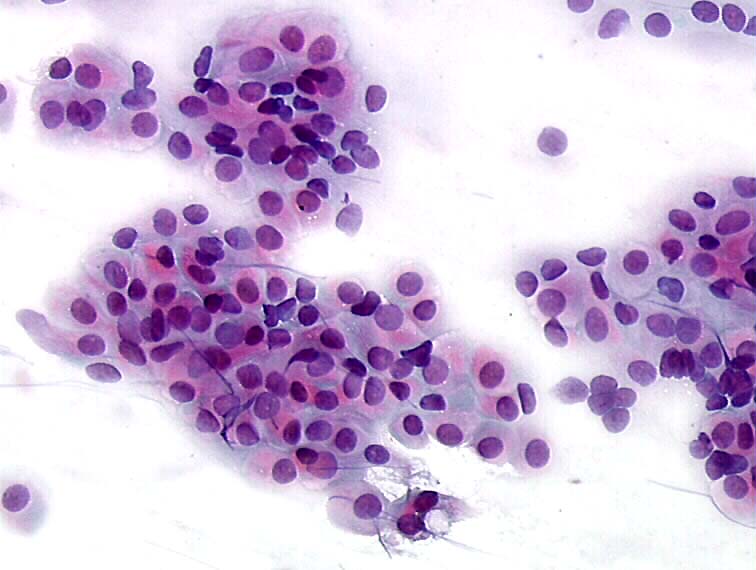
Histopathology and cytopathology of the uterine cervix digital atlas
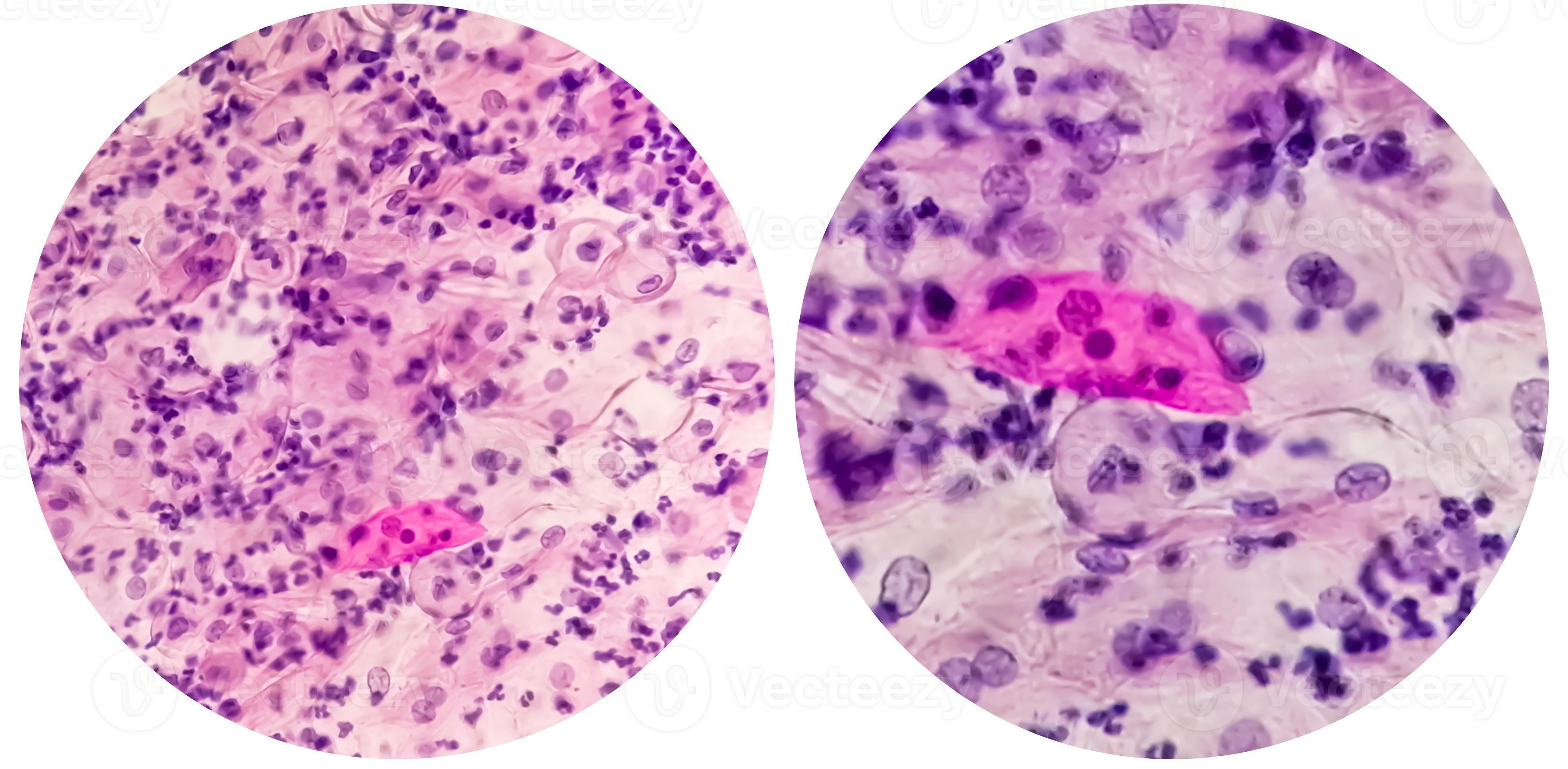
Paps smear. Microscopic examination of pap smear showing inflammatory

Pap smear cytology showing mostly immature basal cells, typical for

Understanding The Atrophic Pattern In Pap Smear Results MedShun

Paps smear. Microscopic examination of pap smear showing inflammatory

Premium Photo Paps smear. pap smear showing inflammatory smear with

Paps Smear Microscopic Showing Inflammatory Smear Stock Photo

Conventional smear atrophic smear (Papanicolaou smear, ×200

Paps smear. Microscopic examination of pap smear showing inflammatory
A Doctor Has Provided 1 Answer.
Web Laboratory Diagnostic Testing, Including Serum Hormone Levels And Papanicolaou Smear, Can Confirm The Presence Of Urogenital Atrophy (Figures 2 And 3;
Web A Pap Test Is Sometimes Called A Pap Smear.
1) The Result Of The Pap Test Itself;
Related Post: